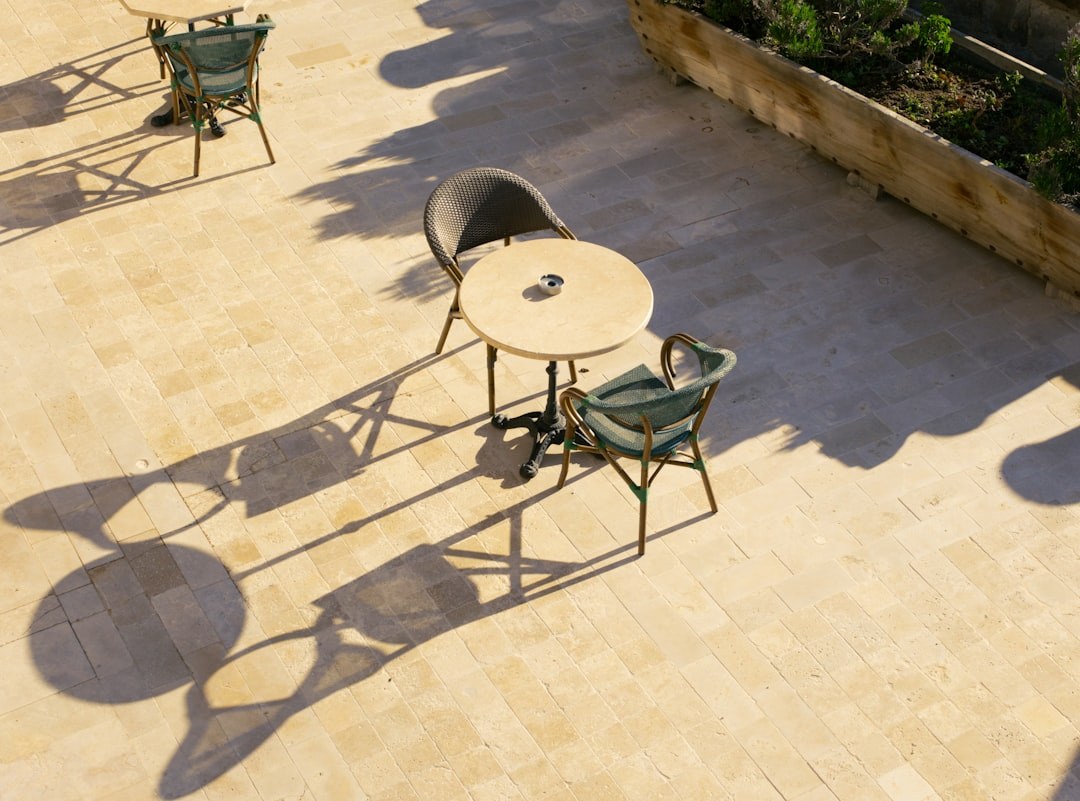
Why Custom Color Matching Matters for Commercial Projects
Custom color matching is the process of reproducing a brand, project, or owner-specified color on outdoor furniture frames and weaves before production starts. A custom RAL shade at SOLAIREVA adds 7-12 days to lead time and carries a 60-piece minimum per shade, so buyers who plan colors early protect both schedule and budget. Hotels, restaurant chains, and resorts use custom colors to make a terrace match a brand book, an owner's palette, or a renovation concept — and a mismatch between delivered furniture and approved color is one of the most common reorder complaints in the industry. The process applies to two very different surfaces: powder coat on aluminum frames and PE rattan weaves, and each one has its own rules.
Standard Colors vs Custom Colors: What You Get by Default
Standard colors are the 12-20 powder coat shades and 8-15 fabric colors a factory keeps in stock, while custom colors are formulated from your RAL code, Pantone reference, or physical sample. Choosing a standard shade avoids coating supplier minimums, which typically push custom RAL orders to 50-60 pieces per color; standard stock colors carry no per-shade minimum at all. Standard shades also ship faster because the powder is already on the shelf and the coating line does not need a formulation cycle. For most projects, the practical split is simple: use standard colors for frames and cushions that do not carry brand identity, and reserve custom colors for the pieces guests and clients actually see as your signature.
| Factor | Standard color (in stock) | Custom color (formulated) |
|---|---|---|
| Typical per-shade minimum | None beyond SKU MOQ | 50-60 pieces per shade |
| Added lead time | None | 7-12 days for formulation and approval |
| Approval requirement | Reference from catalog | Physical swatch sign-off, 1-2 rounds |
| Reorder consistency | Standard batch archive | Archived master swatch, delta-E below 2.0 |
The MOQ negotiation guide covers how standard inventory lowers minimums in more detail, including the MOQ impact of custom powder coat colors and when a small-batch surcharge applies. For a deeper look at the full customization workflow — colors, logos, packaging — see our private label branding guide.
The Color Matching Process: From Reference to Approved Shade
A custom color moves through five gates at SOLAIREVA before any production frame is sprayed: reference, formulation, delta-E measurement, physical approval, and batch verification. The Berlin rooftop project matched two RAL brand colors in 12 days including two physical approval rounds, with swatches coated on real 35mm profile sections and shipped by DHL for sign-off. The same five-gate process runs for rattan, with pigment mixed into the strand during extrusion rather than applied after weaving. Buyers who understand the sequence know exactly what to send, what to expect, and where the risk of a wrong color is caught — before a single production piece is coated.
Step 1: Send your color reference
Provide a RAL code, Pantone reference, brand book page, or physical sample for each shade. A reference that shows the finish as well as the color — gloss, texture, metallic effect — shortens the cycle, because powder coat and rattan are never flat color cards. If your brand uses two colors on one piece, as the Berlin rooftop bar did with RAL 7021 frames and RAL 6016 accents, send both references together so the coating line can plan a single setup.
Step 2: Formulation and swatches on real profile sections
The coating lab formulates the powder mix, then applies it to actual profile sections or extruded strands rather than flat cards. Surface geometry changes how a color reads: a 35mm tube reflects light differently than a printed swatch, so a color that looks right on paper can look wrong on a frame. Swatches on real sections are the only reliable proof, which is why SOLAIREVA ships coated profile sections by courier instead of asking buyers to trust a photo. This is also where finish is locked — gloss level and texture are part of the match, not optional extras.
Step 3: Delta-E measurement against the reference
Every swatch is measured against your reference with a colorimeter targeting delta-E below 2.0, the tolerance at which most people cannot reliably distinguish two colors. Batches that fail the measurement are reformulated before they reach a production frame. For reorders, the same measurement runs against the archived master swatch, and the Berlin project's reorder matched at delta-E 1.4. The delta-E number belongs in your PO, because it converts a subjective "looks close" into an objective pass-fail gate.
Step 4: Physical approval rounds
Swatches are shipped to you for sign-off, typically over two rounds and about 12 days in total. Approve on the actual surface finish, in daylight, against your reference — not on a screen. If a second round is needed, the correction is usually small: gloss adjustment, pigment percentage, or a texture change. Approving the first swatch round is not just faster; it protects the production schedule, because the coating line is reserved once sign-off is confirmed.
Step 5: Verify the production batch and archive the master
Once approved, the master swatch is archived for 5 years and used as the gate for every production batch and reorder. Incoming coating batches are measured against the archive before a single frame is sprayed, and any batch that fails is rejected. This archive is what makes a second order from a hotel, restaurant chain, or brand match the first — the Berlin rooftop project case study shows the system in action on a real 128-piece order with two custom colors.
Powder Coat Color Options: Finish, Gloss, and Weather Performance
Powder coat is the finish on aluminum frames, and its options are defined by color, gloss level, and weather performance rather than brand. SOLAIREVA uses polyester powder coat on 6063-T5 aluminum with 1.8-2.5mm wall thickness, and the coating held delta-E below 2.5 after 12 months of full-sun exposure in the Berlin project. Dark colors like RAL 7021 anthracite absorb more heat and show coating flaws sooner than light neutrals, so they need slightly thicker coating and faster rechecking on reorders. Matte and textured finishes hide fingerprints and scuffs better than high gloss, which is why most commercial projects specify satin or matte for guest-facing pieces.
Frame color is also a maintenance decision. A scratched dark frame shows touch-up paint more visibly, while a light neutral blends repairs. Powder coat on quality aluminum is rated for 15-20 years of surface life, versus the 8-12 years of a PE rattan weave, so the frame color you choose will outlive the weave on rattan furniture. The materials page explains the full 6063-T5 aluminum and powder coat specifications we quote, and our PE rattan vs aluminum comparison breaks down how finish lifespan affects the choice between the two materials.
PE Rattan Color Options: Matching the Weave, Not Just the Frame
PE rattan color is locked in during extrusion, because pigment and UV stabilizers are mixed into virgin HDPE before the strand is formed — you cannot paint or recoat a weave later. A dark brown or graphite rattan shade is matched to the same delta-E below 2.0 standard as powder coat, and the weave surface carries an 8-12 year lifespan, so the color decision must be final at sample approval. UV stabilizers mixed into the material before extrusion are what slow fading and brittleness over that window. This is why the full PE rattan manufacturing process matters: color is a material decision, not a finishing step.
Because rattan color cannot be corrected after weaving, SOLAIREVA's process is stricter on the front end: the customer approves an extruded strand sample, not a photo, and the archived master strand is what production matches on every batch. When a buyer requests a custom weave color, the 60-piece per-shade logic still applies, and the 7-12 day approval cycle includes the extrusion setup. For most projects the practical advice is to choose a standard rattan shade — typically dark brown, graphite, or a neutral taupe — unless brand identity genuinely requires a signature color, and to verify the shade against a physical strand before committing a full order.
How Custom Colors Affect MOQ, Lead Time, and Cost
Custom colors change three numbers on your quote: MOQ per shade, lead time, and unit cost. A custom RAL shade typically requires 50-60 pieces per color because coating suppliers enforce material minimums, adds 7-12 days for formulation and approval, and switching the powder line for your color costs 2-4 hours of production downtime that factories price into the order. Standard in-stock shades avoid all three effects. If a project needs multiple custom colors, keep each shade over the per-color minimum or a small batch surcharge may apply for shades below 10 units — the same logic that drives MOQ negotiation on commercial furniture.
Three planning rules keep custom color costs under control. First, batch every custom-color piece into one order so the per-shade minimum is met once instead of several times. Second, pre-order materials the day the deposit clears, before color sign-off, so frame fabrication runs in parallel with the approval cycle — this is how the Berlin project compressed a custom-color order into 45 days of production. Third, put the delta-E tolerance and per-shade minimum in writing, because verbal color agreements are the most common source of reorder disputes. The OEM process guide walks through where color approval sits in the overall production timeline.
Color Consistency Across Large Orders and Reorders
Color consistency across batches depends on archived masters and measured gates, not memory. SOLAIREVA stores a production sample of every order for 5 years and measures incoming coating batches against the archived standard at delta-E below 2.0; the Berlin reorder matched the original shades at delta-E 1.4. Every batch — regardless of order size — runs through the same 4-stage QC system that holds the pre-shipment defect rate at 0.47%. For reorders, the archived master swatch is pulled, the incoming powder batch is measured, and production is only released when the batch passes. That is how a factory shipping 200-plus containers a year can still match a color ordered 14 months before.
Three failure modes to watch for in other suppliers: matching by supplier code instead of archived master, measuring with a handheld device under uncontrolled light, and skipping the batch gate on reorders. Each one produces "close enough" colors that look wrong side by side. The archive system behind our batch consistency is described in the worker training and craftsmanship guide, and the full QC loop is covered in our OEM quality control checkpoints.
Questions to Ask Before You Specify a Custom Color
Ask these five questions before approving a custom color, because the answers determine whether your order ships on time and matches on reorder. The critical numbers to capture are the tolerance (delta-E below 2.0 is the industry-quality target), the per-shade minimum (expect 50-60 pieces), and the added lead time (7-12 days). A factory that answers with specific numbers has a real color system; one that answers with "no problem" probably matches by eye. The same discipline applies when verifying a Chinese factory before you commit a deposit — ask for the color process alongside the audit checklist.
- What is your color tolerance, and how do you measure it? The answer should name delta-E and a colorimeter, not a monitor. Below 2.0 is the quality target for commercial work.
- What is the per-shade minimum for a custom color? Expect 50-60 pieces per shade; a factory quoting a low number may be planning to match by eye on production day.
- How long does approval take, and how many rounds are included? About 12 days and two physical rounds is realistic for powder coat; longer cycles should be planned into the schedule, not discovered later.
- Do you archive a master swatch for reorders? A 5-year archive with measured batch gates is what makes your second order match your first.
- Can I see a sample strand or profile section before ordering? Physical samples on real geometry — not photos — are the only reliable way to judge a custom color.
Frequently asked questions about custom color matching
What is a good color tolerance for commercial outdoor furniture?
A delta-E value below 2.0 is the industry-quality target for custom outdoor furniture colors, because most people cannot reliably distinguish a color difference under 2.0. SOLAIREVA measures every incoming powder coat and rattan batch against the archived master at delta-E below 2.0 before production starts, and rejects any batch that fails the gate. For reference, the Berlin rooftop project's reorder matched the original RAL shades at delta-E 1.4, and the coating held delta-E below 2.5 after 12 months of full-sun exposure. Always write the tolerance into your PO, not just the RAL code.
How long does custom color matching take?
Custom color matching at SOLAIREVA typically takes about 12 days including two physical approval rounds, and adds 7-12 days to overall production lead time. The Berlin rooftop project matched two custom RAL brand colors in 12 days, with powder-coated test swatches applied to real 35mm profile sections and shipped by DHL for sign-off. The clock starts when you send a reference — a RAL code, Pantone reference, brand book page, or physical sample. Plan color approval before the deposit clears so frame fabrication can start while formulation runs in parallel.
What is the MOQ for a custom powder coat color?
Custom RAL powder coat colors typically require 50-60 pieces per shade, because coating suppliers enforce material minimums for special-order powder. At SOLAIREVA, the Berlin rooftop project's two custom shades each carried a 60-piece minimum, which the order exceeded on both colors. Standard in-stock colors from the factory's 12-20 shade palette avoid this minimum entirely. If a single order needs multiple custom colors, keep each shade above the per-color minimum or a small batch surcharge may apply for shades below 10 units.
Can PE rattan be color matched as precisely as powder coat?
Yes, PE rattan is matched to the same delta-E below 2.0 standard as powder coat, but with one key difference: the color is locked in during extrusion. Pigment and UV stabilizers are mixed into virgin HDPE before the rattan strand is formed, so the shade cannot be repainted or corrected after weaving. That makes sample approval the point of no return for rattan color. At SOLAIREVA, standard rattan shades ship from stock, while custom weave colors follow the same reference, formulation, measurement, and physical approval process as powder coat.
Will a custom color fade outdoors?
Custom colors on quality outdoor furniture are formulated to fade slowly, not to stay identical forever. SOLAIREVA's polyester powder coat on 6063-T5 aluminum held delta-E below 2.5 after 12 months of full-sun exposure in the Berlin rooftop project, and PE rattan uses UV stabilizers mixed into virgin HDPE before extrusion to slow fading and brittleness. Dark colors like RAL 7021 anthracite absorb more heat and show coating flaws sooner than light neutrals, so they need slightly thicker coating and faster rechecking on reorders. For a 5-8 year commercial renovation cycle, this fade rate is usually invisible in practice.
Get your custom colors quoted with a written spec
SOLAIREVA quotes every project from a written bill of materials, with a 20-50 unit per-SKU MOQ, a 45-55 day lead time, and custom colors measured to delta-E below 2.0 against an archived master. Our 16,000 m² Shunde factory has manufactured commercial-grade outdoor furniture since 2004, and the 49-worker production team behind those numbers has completed custom color programs for hotels, resorts, and restaurant chains. If you are specifying colors for a project, send your RAL codes or brand references and we will return a color-matching plan with per-shade minimums and a timeline.
Next steps: Send your quantities, target products, and color references to request a specification-based quote, or explore our OEM and ODM options for custom sizes, colors, or branding. For a worked example of two custom RAL colors on one order, read the Berlin rooftop bar case study. You can also talk to our project team directly about how we match and archive colors for orders like yours.