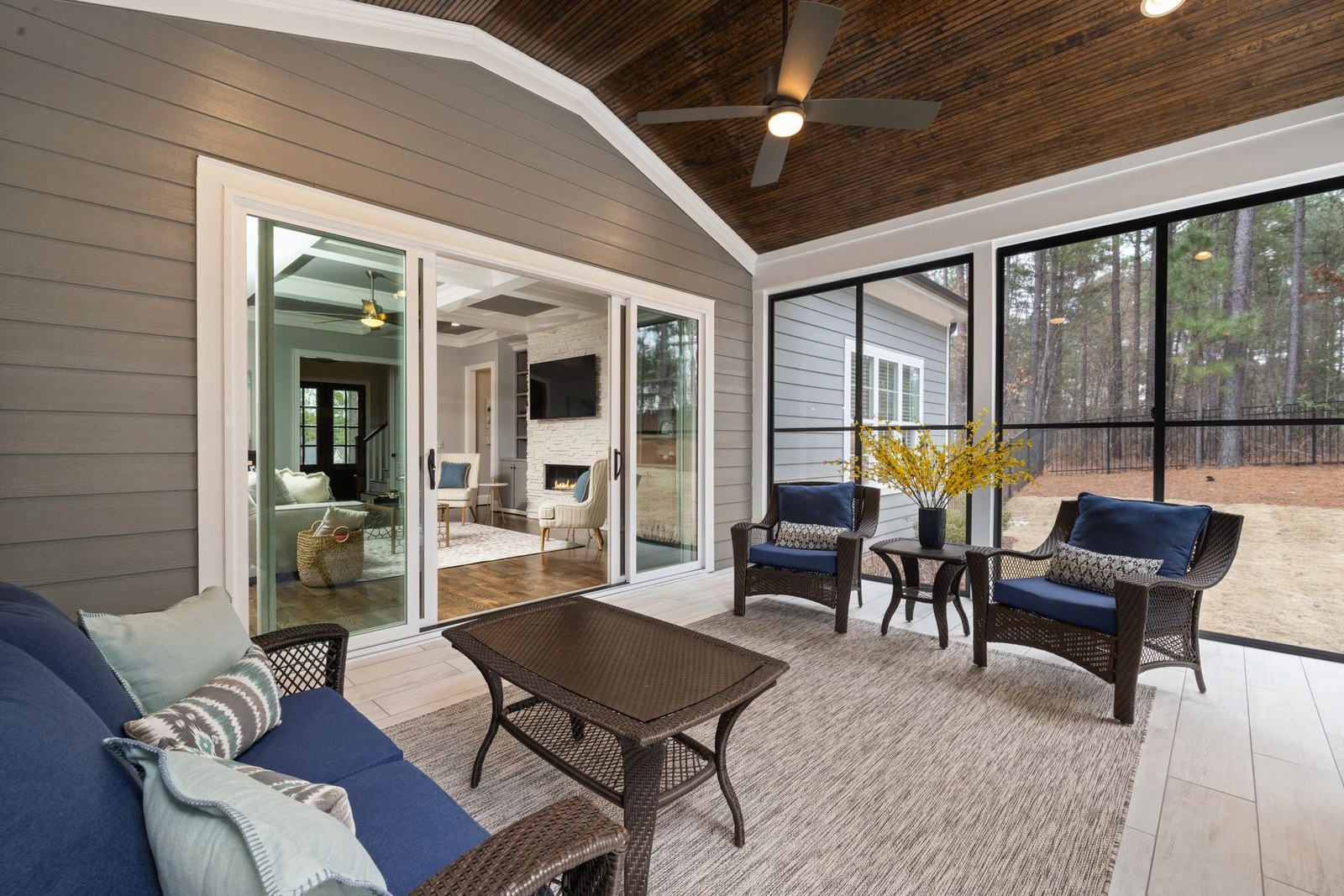
First separate the frame from the visible surface
“PE rattan” describes a synthetic weave, while “aluminum” can describe a frame or an exposed surface. They are not necessarily competing frame materials. For each candidate, identify the frame, visible weave or panels, coating, hardware and cushions separately. Do not assume every woven product has the same frame or polymer formulation.
A model-specific example: the listed construction of SOLAIREVA SV-F0026 is aluminum with wicker weave. This illustrates why a woven appearance does not tell you the frame material. Its catalog label alone does not establish a particular PE resin grade, UV-test result or service life; confirm those details for the quoted configuration.
This guide compares purchasing decisions, not guaranteed material lifespans. Browse the product library for actual models and the materials overview for specification questions.
Compare like-for-like models
| Decision | Woven-surface furniture | Exposed-aluminum furniture |
|---|---|---|
| Construction | Confirm both frame and weave; inspect attachments and contact points | Confirm frame, joints, finish and any non-aluminum components |
| Appearance | Evaluate weave pattern, color and texture against the design brief | Evaluate profile, coating color, gloss and surface finish |
| Cleaning | Try the approved cleaning method on the actual woven surface and gaps | Try the approved cleaning method on the finish, joints and slats |
| Sun and weather | Request evidence for the exact weave formulation/color plus frame finish | Request evidence for the exact coating/color and relevant hardware |
| Repair | Ask whether the weave or affected component can be replaced and by whom | Ask about finish repair, replacement parts and matching batches |
| Stacking and storage | Confirm whether this model stacks and its protected stack dimensions | Confirm the same; a metal frame does not automatically make a chair stackable |
| Budget and freight | Use a quote and actual packed dimensions for the chosen configuration | Use the same quantity, delivery scope and packing assumptions |
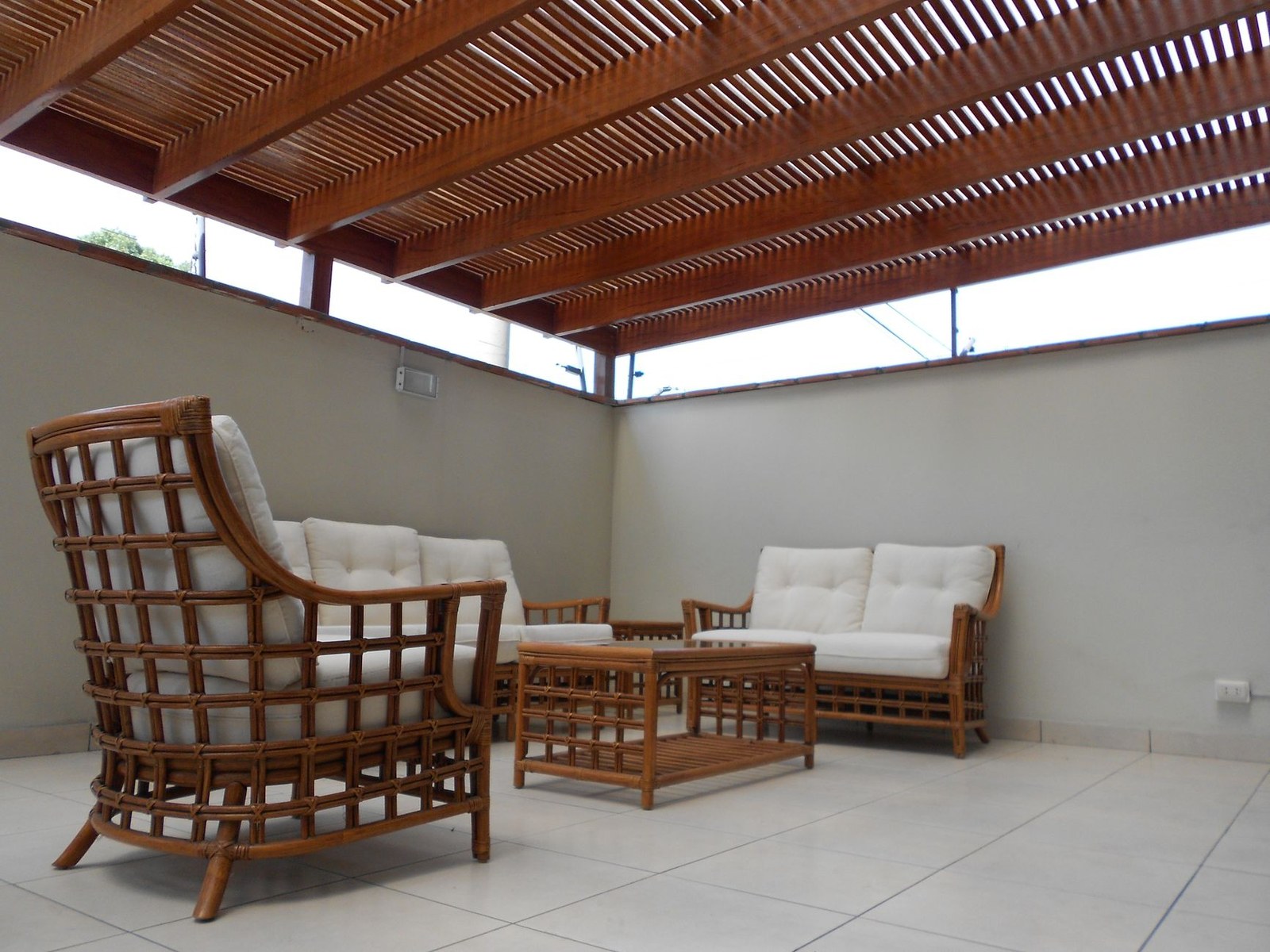
Which lasts longer in a commercial setting?
A material category alone cannot establish the answer. Compare the tested construction, expected use, finish, exposure, care and replacement options. Without matching evidence, fixed claims such as “rattan lasts 8–12 years” or “aluminum lasts 20–30 years” are not a sound basis for a purchase.
For sunny projects, ask for material- and color-specific reports with a stated method and outcome. Do not turn accelerated test hours into a universal outdoor lifespan. Use the UV materials and test-evidence guide to compare those claims.
For coastal or pool locations, include the exposure in your RFQ and assess the complete assembly, including hardware and joints. Do not infer corrosion performance from a woven or metallic appearance. Confirm cleaning requirements and the written warranty for the actual use.
Compare total cost without invented replacement cycles
Use the same furniture function, dimensions, quantity, cushions, packing scope and delivery basis. A lower quote for a different specification is not a like-for-like saving.
Planning formula: purchase and delivery costs + planned care labor and supplies + scenario-based repair/replacement costs + handling or downtime costs, over your chosen period. Keep quoted amounts separate from your own operating assumptions.
- Use staff time measured in a sample cleaning trial, not an assumed “seconds per chair” claim.
- Ask for replaceable component availability and prices; do not assume repairs are always possible or free.
- Model several replacement scenarios when service-life evidence is unavailable. Label them assumptions, not predictions.
- Request actual carton dimensions and weights. Use our carton CBM calculator for preliminary volume estimates, then confirm a loading plan.
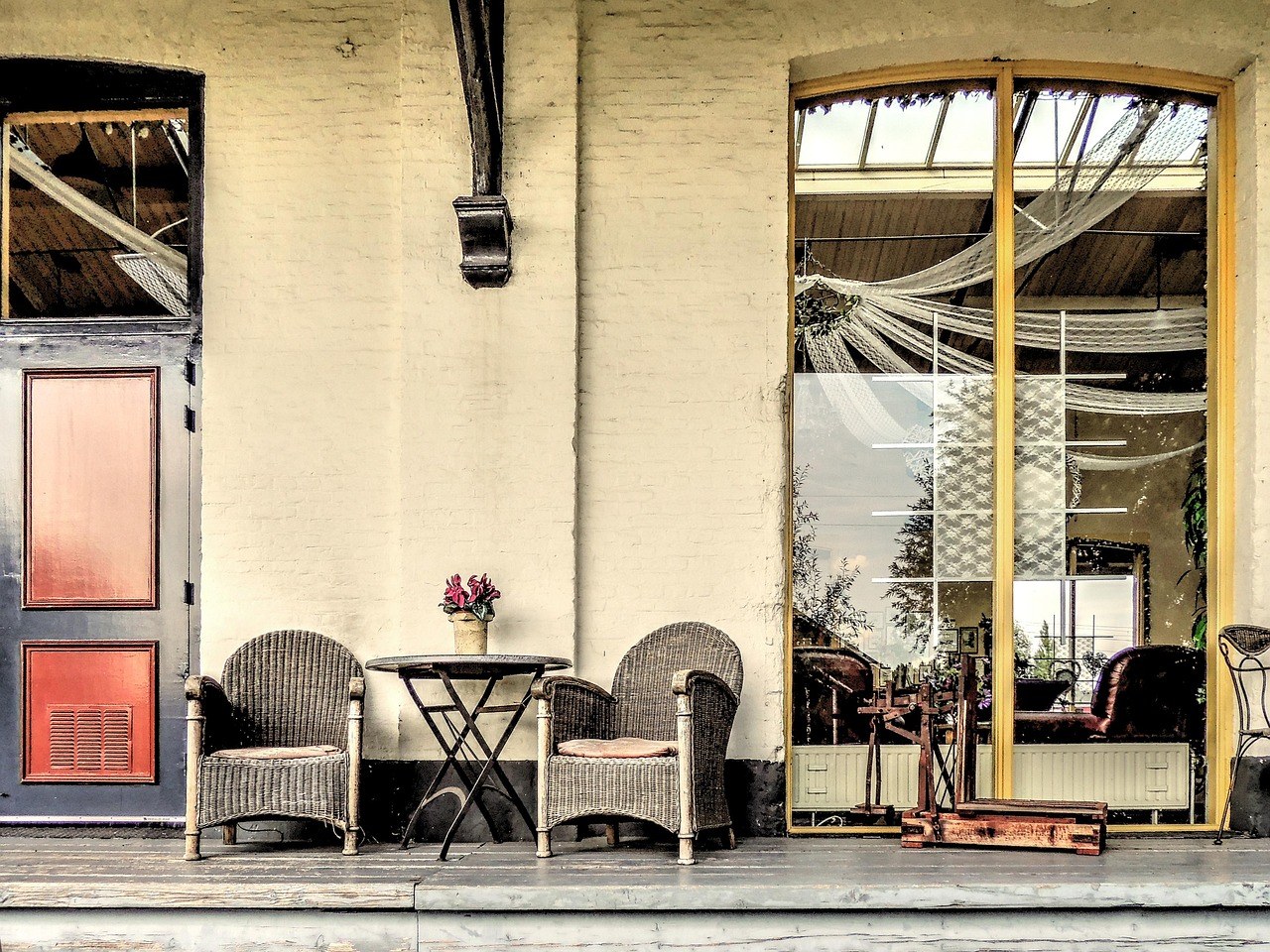
A practical sample-review checklist
- Match the brief: compare seat size, table clearance, visual texture, color and comfort using the proposed specification.
- Inspect the assembly: review joints, weave terminations, fasteners, glides and accessible edges. Request the applicable structural or safety evidence; visual inspection alone does not certify performance.
- Trial routine handling: evaluate moving, stacking (only if specified) and storage with the people who will operate the venue.
- Confirm care: obtain model-specific instructions before using pressure washers, solvents or other aggressive cleaning methods. There is no blanket cleaning method in this guide.
- Record approval: identify the selected finish, weave, fabric and component references in the purchase specification. Clarify acceptable variations and reorder requirements.
How to choose for your project
If a woven texture is central to the design, shortlist woven models and verify the frame, care and replacement plan. If exposed profiles and finishes fit the design, shortlist aluminum models and verify their coating, joints and handling. Either shortlist still needs evidence for the location and use.
A mixed project can specify different models by zone—dining, lounge or poolside—without assuming one material is always cheaper, stronger or lower-maintenance. Send the zone list, quantities, location, visual references and storage constraints for an OEM / ODM discussion.
Compare models for your projectUpdated 13 October 2026. Product example: SV-F0026 catalog construction. No universal lifespan, price advantage, test certification or warranty is implied.