What Grade A Teak Means for a Commercial Terrace
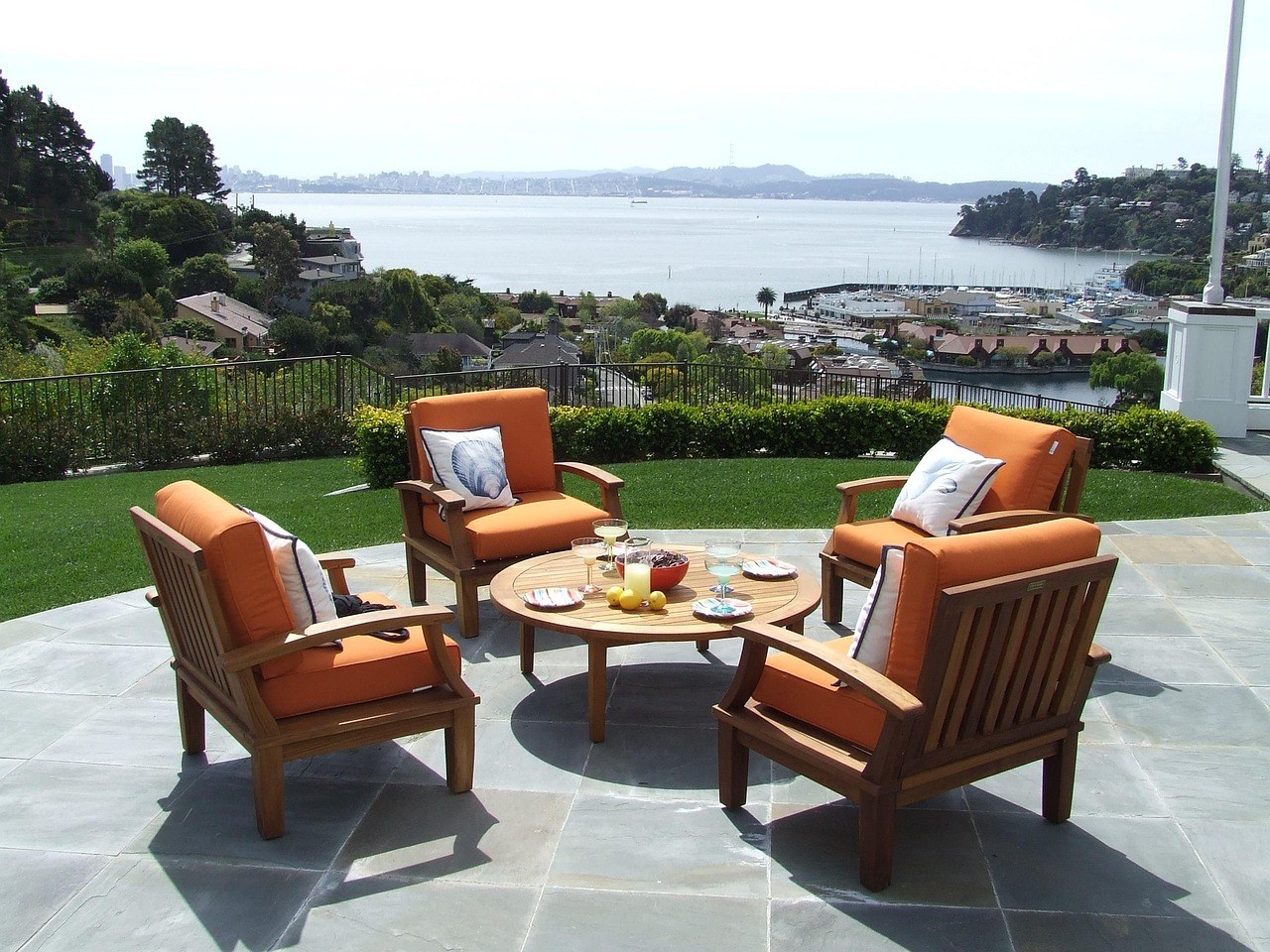
Grade A teak is heartwood cut from the inner core of Tectona grandis, harvested from managed plantations at 25 to 40 years and dried to a density of roughly 650 to 750 kg/m3 at 12% moisture content. Grade is a description of which part of the log you receive, not a certification body, so the same supplier can ship Grade A and Grade C under the same catalogue photo. Heartwood carries the natural oils and tectoquinone that resist rot, termites and fungal growth, while the pale sapwood ring has almost none. For a hotel or restaurant terrace, specify heartwood only, slats of 18 to 20 mm minimum, and kiln-dried timber at 10 to 14% moisture content.
| Timber description | What it is | Commercial outdoor performance |
|---|---|---|
| Grade A heartwood | Inner core, plantation teak aged 25-40 years | 15-25 year service life, natural rot and insect resistance |
| Grade B / mixed | Heartwood with 10-30% sapwood mixed in | 8-15 years, sapwood needs chemical treatment and darkens unevenly |
| Sapwood | Pale outer ring of the log | Not suitable outdoors without pressure treatment, prone to rot at joints |
| Golden teak (acacia) | Acacia mangium sold under a teak name | 5-8 years outdoors, thin sections crack and cup |
Our materials page documents the timber and frame options we hold in stock, and the teak dining set PV-DIN-118 shows how a contract-grade teak top is built over a powder-coated aluminum base.
Why Teak Turns Grey, and Why That Is Not Damage
Untreated teak outdoors turns silver-grey within 6 to 12 months, because UV light and rain wash the surface oils out of the top 1 to 2 mm of the timber. That colour shift is a surface process only: the wood does not soften, the joints do not open, and most hotel terraces in Europe and the Middle East weather this way deliberately. Surface greying also has a practical cost benefit, since a grey terrace needs no oiling budget at all. What weathering cannot fix is a chair built from sapwood or from slats thinner than 18 mm, where cupping and splitting start at the ends within two seasons.
Either look is workable, but the choice carries a budget line. Furniture left to weather needs cleaning and no consumables, while furniture kept golden needs 12 to 20 litres of teak oil per 100 seats per year. Projects run into trouble when a golden finish is chosen at specification stage and the annual oiling budget is never agreed with the operator who has to fund it.
The Care Schedule for Hotels, Resorts and Restaurants
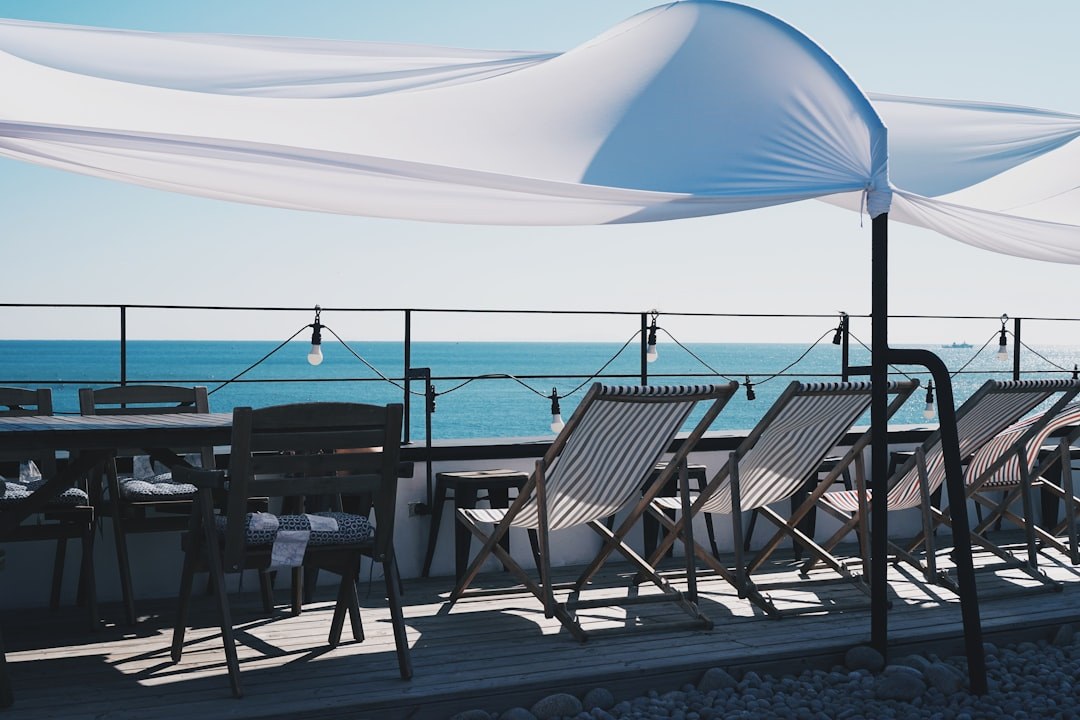
A commercial teak terrace needs three operations a year: a monthly wash with pH-neutral soap, one oiling before the season starts, and a light sanding with a fresh oil coat every 3 to 5 years. Budget 8 to 12 labour hours and USD 150 to 350 of teak oil per 100 seats for the annual cycle, plus 1.5 to 3 days of one worker's time for a full refinish. Coastal, poolside and desert installations sit at the top of every band, because salt spray, chlorine and 40°C-plus UV strip surface oils roughly twice as fast as a sheltered inland courtyard.
| Frequency | Task | Materials and labour |
|---|---|---|
| Monthly, in season | Wash with pH-neutral soap, soft brush, rinse | Soap and water; 3-4 hours per 100 seats |
| Twice a year (coastal, poolside) | Full oil cycle, two thin coats | 14-20 litres oil, USD 200-350, 10-14 hours per 100 seats |
| Once a year (inland, sheltered) | Full oil cycle, two thin coats | 12-16 litres oil, USD 150-280, 8-12 hours per 100 seats |
| Every 3-5 years | Light sand, deep clean, re-oil | 1.5-3 worker days per 100 seats, plus 30-40% more oil for bare timber |
| Annually | Torque check on bolts, replace missing glides | 1-2 hours per 100 seats; 304 or 316 stainless hardware |
Write this schedule into the handover documents if you are the contractor, and into the housekeeping brief if you are the operator. A terrace that is washed but never oiled costs nothing and looks even; a terrace that is oiled but never washed develops black mildew spots under the arms and around the bolts, which is the most common complaint we see on site visits.
How to Clean, Oil and Refinish Teak in Five Steps
Refinishing a teak chair takes 25 to 40 minutes of actual work spread across three days, because the timber has to be dry before oil goes on and each coat needs 24 hours. The sequence is wash, dry for 48 hours, sand lightly with 120 to 180 grit if the grain has raised, apply a thin first coat, then a second coat a day later and wipe off whatever has not absorbed. One litre of teak oil covers roughly 8 to 12 m2 per coat, which works out at 4 to 5 dining chairs, so a 100-seat terrace consumes 12 to 20 litres across a full two-coat cycle.
- Wash with pH-neutral soap. Mix about 10 ml of pH-neutral soap into 1 litre of warm water and scrub along the grain with a soft bristle brush to lift dust, cooking oil and mildew spores. Rinse with clean water. If you use a pressure washer, stay below 100 bar, because high pressure opens the grain, erodes the soft growth rings and leaves a permanently furry surface.
- Let the timber dry for 48 hours. Oil applied over trapped moisture sits on the surface and dries patchy. Allow 48 hours of dry weather for tabletops and 24 hours for frames and slats. Furniture beside sprinklers or pool edges needs a longer window, and oiling in direct midday sun is a mistake because the surface skins over before the oil penetrates.
- Sand lightly where the grain has raised. After a few seasons the surface feels fuzzy and grey fibres stand up. A light pass with 120 to 180 grit along the grain restores a smooth face in 5 to 10 minutes per chair. Sand no deeper than needed to remove the grey layer, and wipe off all dust before the first coat.
- Apply a thin first coat. Work along the grain with a paint pad or lint-free cloth and let the oil soak for 15 to 30 minutes. Thin coats cure properly; pooled oil stays tacky for days and collects dust. Pay attention to end grain and to the feet, which drink more oil than the top surface.
- Apply the second coat after 24 hours and wipe off the excess. The second coat carries the UV protection through the season. Wipe off anything still wet after 30 minutes, then leave the furniture 24 hours before use. High-traffic restaurant terraces repeat the full cycle every 3 to 5 years, and coastal sites closer to every 2 to 3 years.
For a restaurant or hotel terrace, sequence the work so half the seating is refinished at a time. Our commercial patio dining set guide covers the table and chair specifications that decide how hard the timber works, and the same off-season window is the right moment to check cushions and frames against the terms in our warranty coverage guide.
Teak Compared with Aluminum, PE Rattan and Synthetic Wood
For a 100-seat hotel terrace, Grade A teak costs roughly 60 to 120% more than an equivalent powder-coated aluminum piece on FOB terms, and it adds USD 2 to 4 per seat per year in oiling and cleaning that aluminum does not need. Aluminum and PE rattan are near-zero maintenance and shrug off salt air, while teak wins on warmth, weight and on-site repairability: a damaged teak slat is unscrewed and swapped by the maintenance team, where a cracked aluminum weld usually means a new frame. Choose by project type first, then by material price.
| Material | Relative FOB cost | Annual maintenance | Service life outdoors | Best fit |
|---|---|---|---|---|
| Grade A teak | Index 100 | USD 2-4 per seat, oiling and washing | 15-25 years | Designer terraces, rooftop bars, resorts where warmth matters |
| Powder-coated aluminum | Index 45-65 | Washing only | 10-18 years on the frame | Pool decks, beach clubs, 300-plus seat programs |
| PE rattan over aluminum | Index 60-85 | Washing only, occasional weave repair | 8-15 years | Lounge and sofa groups, shaded terraces, poolside |
| Synthetic wood / composite | Index 70-95 | Washing only | 10-20 years | High-use dining where teak is out of budget |
Teak rarely wins on the price list alone, so run the five-year numbers before you decide. Our total cost of ownership guide shows how oiling hours and replacement cycles shift that comparison, and the PE rattan versus aluminum comparison covers the two lowest-maintenance options in more detail.
Specifying Teak Furniture in Your RFQ
A teak RFQ should state nine items: species, heartwood only, slat thickness, moisture content at delivery, joinery type, fastener grade, finish (raw, oiled or factory sealed), packaging with moisture barrier, and a retained colour reference for reorders. Leaving out thickness and finish is what produces 25 to 40% price gaps between quotes that look identical on paper. Send the drawings and seat heights in millimetres, name your FOB port, and expect a written quote in 2 business days, samples in 15 to 20 working days, and production in 45 to 55 days for container quantities.
| Specification item | Ask for | Why it matters |
|---|---|---|
| Species and grade | Tectona grandis, Grade A heartwood | Rules out acacia and sapwood mixes sold as teak |
| Slat and section thickness | 18-20 mm slats, 40 mm-plus legs | Below 18 mm, cupping and end splits start in two seasons |
| Moisture content | 10-14% kiln dried | Wet timber shrinks on site and opens joints |
| Joinery | Mortise and tenon or dowelled, glued and pinned | Screwed-only joints loosen under commercial use |
| Fasteners | 304 stainless minimum, 316 for coastal | Steel and zinc-plated screws bleed rust stains into the grain |
| Finish | Raw, oiled, or factory-sealed to your sample | Determines the first-year colour and your oiling schedule |
| Packaging | Cartons with moisture barrier, corner protection | Humidity in transit is what turns teak black in the container |
Typical FOB bands for Grade A teak in container quantities run USD 95 to 240 per dining chair, USD 340 to 880 per dining table, USD 280 to 560 per sun lounger, and USD 780 to 1,900 per 4-piece dining set. Our 2026 FOB price ranges guide gives the equivalent bands for aluminum and PE rattan, and the RFQ package guide shows the full document set to send.
Five Ways Teak Projects Fail After Handover
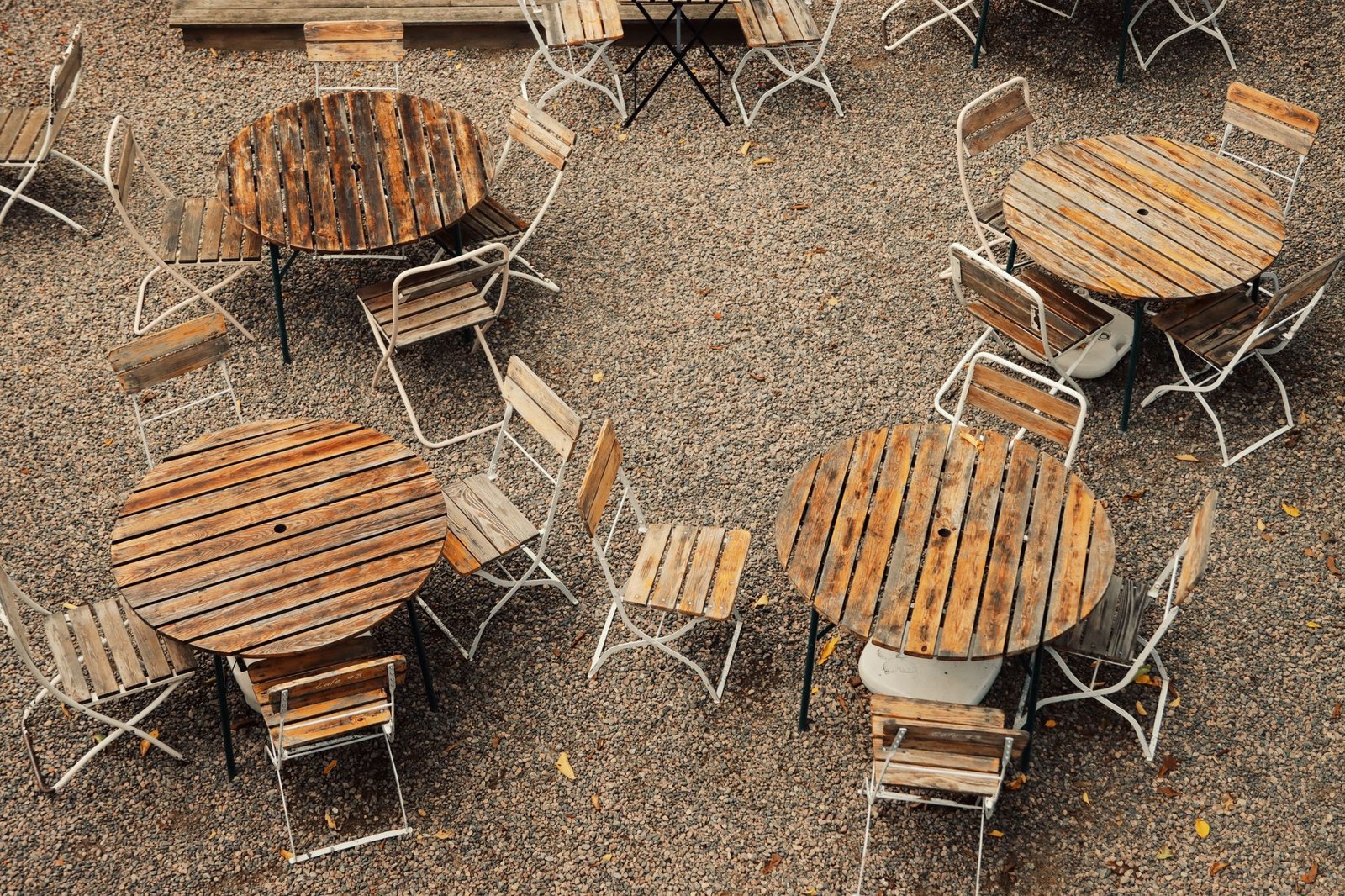
Teak failures after handover come from five repeatable causes: slats thinner than 18 mm, fasteners that are not stainless, film finishes such as varnish, teak-look hardwood substituted for Tectona grandis, and no spare slats or hardware held on site. Each one is visible at inspection and cheap to prevent, and each one costs far more to fix once the terrace is open. The list below names what fails, what it looks like three seasons in, and the specification line that prevents it.
- Slats under 18 mm. Expect cupping, raised grain and end splits around the second season, especially in desert and coastal climates. Specify 18-20 mm minimum and ask for the section drawing.
- Non-stainless fasteners. Rust streaks run down the legs and along the grain within weeks, and the joints loosen as the steel corrodes. Specify 304 stainless as standard and 316 for pool decks and beachfront sites.
- Varnish or polyurethane finishes. A film coating traps moisture, then cracks, peels and takes the grey surface with it, leaving a patchy finish that needs full stripping. Use oil, or leave the timber bare.
- Acacia or mixed hardwood sold as teak. Thin sections cup, colour goes unevenly dark, and the furniture is unusable at five years. Ask for the botanical name on the invoice, not the marketing name.
- No spare slats or bolts on site. A single split slat takes a table out of service for weeks if the part has to be remade and shipped. Order 2 to 3% spare slats and a hardware kit with the container.
These checks belong in the same audit as the factory verification itself. Our supplier comparison guide covers how direct factories, traders and marketplaces differ on exactly this kind of specification control, and the hotel procurement checklist adds the zoning and layout items that decide how much teak a terrace actually needs.
Frequently asked questions about teak outdoor furniture
These five answers cover the questions that come up most often in teak enquiries: whether oiling is required at all, how often a commercial site should oil, teak oil versus linseed oil, realistic service life, and whether the material justifies its price on a hotel terrace. Every answer is self-contained, so you can use the numbers directly when comparing suppliers or writing a maintenance brief. The short version: Grade A heartwood, 18 mm slats, stainless fasteners, and one oiling a year if you want the golden tone kept.
Does teak outdoor furniture need to be oiled?
No. Teak contains natural oils and tectoquinone that protect the timber whether or not you oil it, so untreated teak will outlive most other outdoor materials and simply turn silver-grey within 6 to 12 months. Oiling is a colour decision: it holds the golden-brown tone and keeps 200 chairs looking uniform. Most European and Middle East hotel terraces leave teak to weather naturally because the grey patina suits the design and costs nothing per year.
How often should commercial teak furniture be oiled?
Once a year is enough inland, and twice a year for coastal, poolside or high-UV sites such as Dubai, Florida and the Caribbean. Oil in dry weather at the start of the low season so the surface has 48 hours to dry and 24 hours between coats. A 100-seat terrace uses roughly 12 to 20 litres of teak oil per full cycle, which costs about USD 150 to 350 in materials plus 8 to 12 labour hours.
What is the difference between teak oil and linseed oil?
Teak oil is a penetrating blend of tung, linseed or synthetic oils with UV inhibitors and driers, so it soaks into the surface and cures instead of sitting on top. Raw linseed oil dries slowly, has no UV protection, and in humid or coastal air it feeds mildew, which is why it turns black on terrace furniture. Use a commercial teak oil or a dedicated outdoor furniture oil, and avoid film finishes such as varnish or polyurethane.
How long does teak outdoor furniture last commercially?
Grade A heartwood teak with 18-20 mm slats and stainless fasteners has a service life of 15 to 25 years outdoors, and 25-plus years for thick-section dining tables. The frame usually outlasts the cushions, which are replaced every 3 to 5 years in heavy commercial use, and the fasteners, which is why marine-grade 304 or 316 stainless is worth specifying. A mid-grade teak-look hardwood sold as teak typically fails at 5 to 8 years.
Is teak worth the cost for a hotel terrace?
It depends on the design intent and the labour you already have. Teak costs roughly 60 to 120% more than an equivalent powder-coated aluminum piece on FOB terms, and it carries USD 2 to 4 per seat per year in oiling and cleaning that aluminum does not need. Choose teak when warmth, weight and on-site repairability matter, and choose aluminum or PE rattan when the priority is a near-zero maintenance program across several hundred seats.
Specify Teak Furniture with SOLAIREVA
SOLAIREVA has manufactured commercial outdoor furniture in Shunde since 2004 and ships 200-plus containers a year to hotels, resorts, restaurants and villa projects, including teak and mixed teak-aluminum collections. We quote teak with the species, grade, slat thickness, moisture content and fastener grade written into the bill of materials, so you can compare our quote line by line with any other supplier. Our standard terms are a 20-50 unit per-SKU MOQ, samples in 15-20 working days, production in 45-55 days, and FOB Shenzhen pricing with carton dimensions and weights for your forwarder.
Next steps: send your teak specification and quantities with any drawings or reference photos, or contact our project team if you are still comparing teak against aluminum and PE rattan. If the terrace program is part of a larger hotel package, start with the hotel procurement checklist so the material decision sits inside the full furniture list.