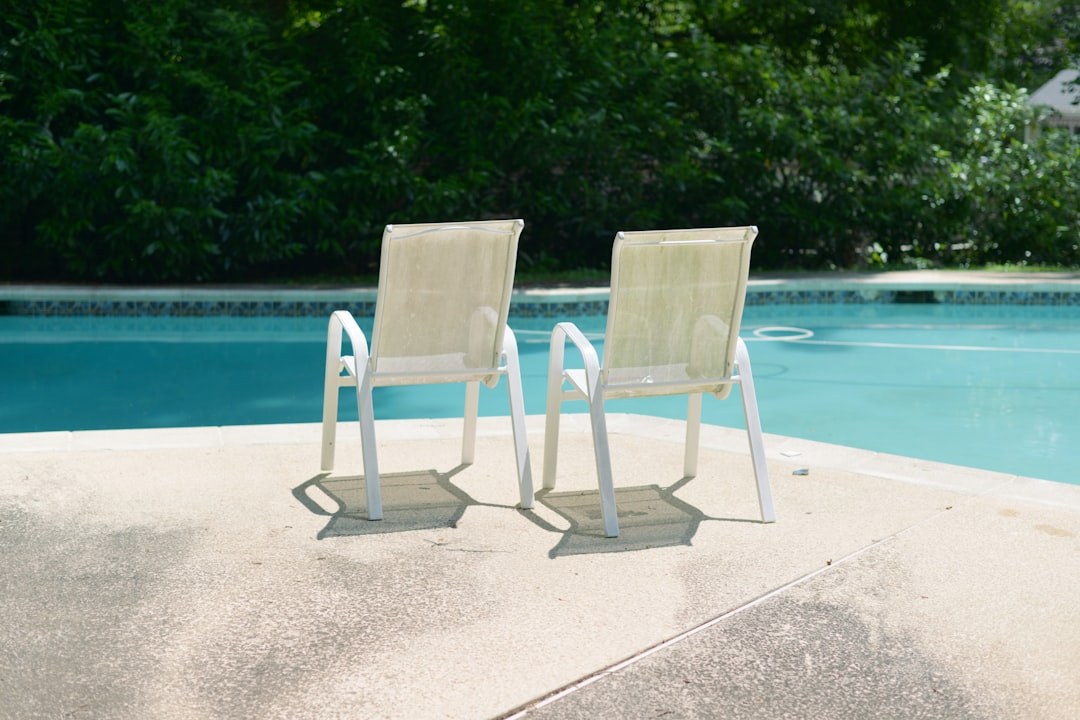
Project Scope: What a 5-Star Maldives Resort Actually Ordered
In early 2024, a procurement team from a 5-star resort in the Maldives contacted SOLAIREVA with a renovation brief. Their existing outdoor furniture — sourced from a Southeast Asian supplier three years earlier — was failing fast. Aluminum frames showed white oxidation blooms at weld joints. PE rattan had faded from charcoal to a patchy gray. Cushion foam had collapsed in high-traffic areas. The resort needed a complete replacement across four outdoor zones before the next high season, and they needed a supplier who understood that "outdoor" in the Maldives means salt spray 365 days a year, not just occasional rain.
| Zone | Pieces | Product Types | Special Requirements |
|---|---|---|---|
| Main Pool Deck | 180 | Sun loungers (120), side tables (40), umbrella bases (20) | Stackable design, chlorine-resistant finish, quick-dry cushions |
| Overwater Villas | 90 | Daybeds (30), lounge chairs (40), coffee tables (20) | Maximum corrosion resistance, custom teal rattan color, tie-down anchors |
| Beachfront Restaurant | 110 | Dining chairs (80), dining tables (20), bar stools (10) | Sand-resistant feet design, SPF50+ fabric, stackable chairs for monsoon storage |
| Sunset Bar & Lounge | 70 | Sofa sets (10 × 4-piece), coffee tables (20), ottomans (10) | Custom charcoal powder coat, rope-weave accent details, heavy bases for wind resistance |
| Total | 450 | Mix of aluminum frame, PE rattan weave, rope-weave, and upholstered pieces | |
The order totaled four 40HQ containers. The procurement team had a clear timeline: production must complete in 45 days so the containers could arrive at Malé Port before the resort's scheduled 10-day maintenance closure, during which the old furniture would be removed and the new furniture installed. Any delay meant the resort would open for high season with half-empty decks. For more on how we structure large projects like this, see our resort poolside furniture solutions.
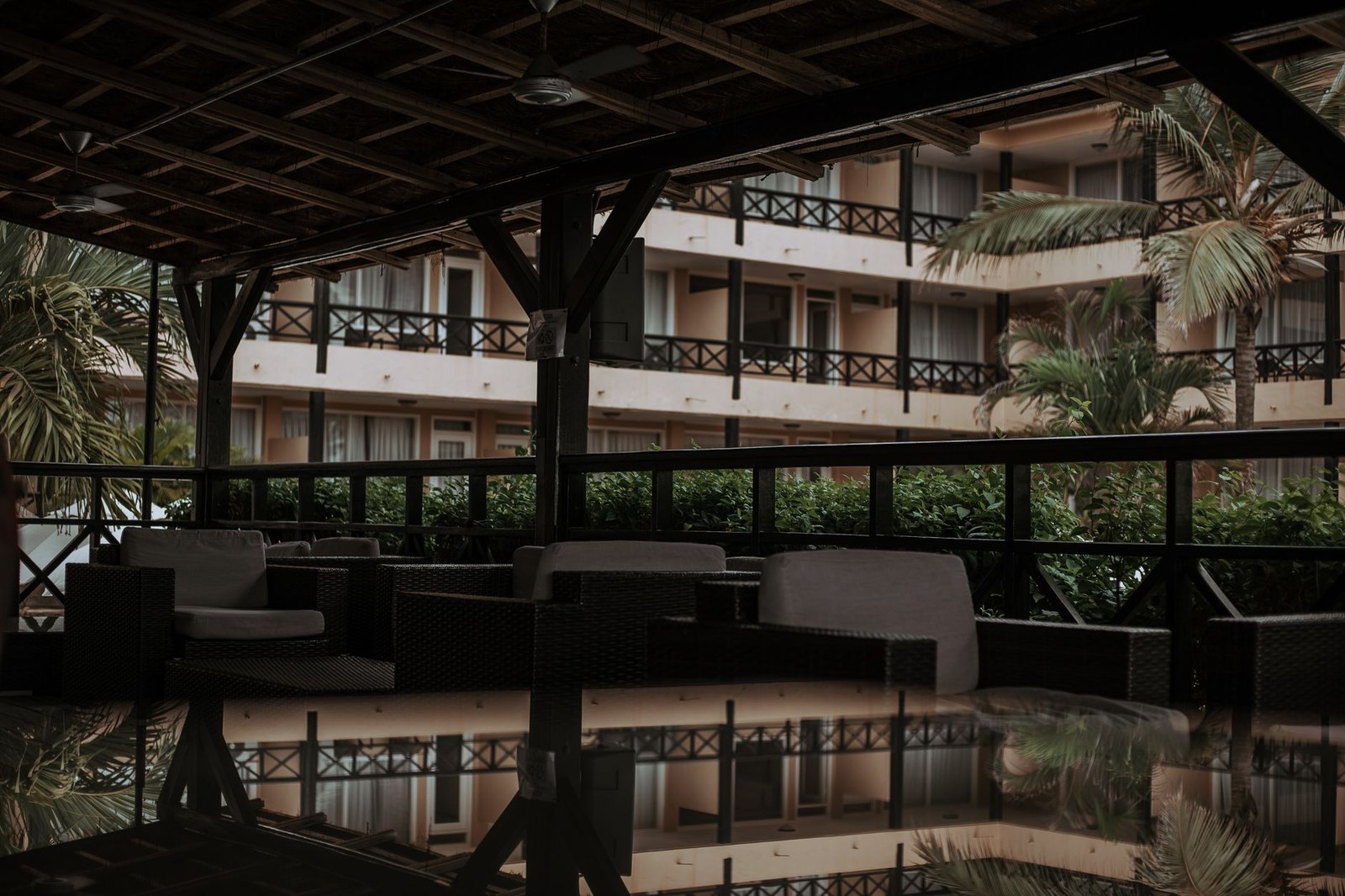
Challenge 1: Salt Spray Corrosion — Engineering for the Ocean
The Maldives presents one of the most aggressive corrosion environments on Earth for outdoor furniture. The combination of warm temperatures (28-32°C year-round), humidity above 80%, and constant airborne salt creates conditions where standard aluminum furniture degrades in 2-3 years. The resort's previous supplier had used standard 6063 aluminum with a single-stage pretreatment and 50-micron powder coat — adequate for a suburban patio, catastrophic for an overwater villa deck.
Our material specification for this order went beyond our standard production:
- 6063-T5 marine-grade aluminum with wall thickness increased to 2.0mm on chair frames and 3.0mm on table structures — above our standard 1.8mm and 2.5mm respectively. The thicker wall provides more material to corrode before structural failure, extending service life in salt environments.
- Stainless steel 304 hardware on every bolt, screw, and connector. Standard zinc-plated steel hardware — which many factories use to save $0.03 per connector — would show rust spots within 6 months in the Maldives. The cost difference is approximately $45 per container; the damage to a resort's reputation from rust-stained furniture is unquantifiable.
- 7-stage pretreatment with an extended phosphate coating dwell time of 90 seconds (vs our standard 60 seconds) to build a thicker conversion layer for coating adhesion.
- 100-120 micron electrostatic powder coat — nearly double the industry standard of 60-80 microns. We verified coating thickness on 10% of every batch (above our standard 5% sampling) with a digital Elcometer gauge and recorded every reading.
- Additional clear topcoat on all weld joints. Weld zones are the most vulnerable points in any aluminum frame because the welding heat alters the grain structure. The clear polyester topcoat adds an extra 30 microns of barrier protection specifically on these high-risk areas.
We submitted frame samples to SGS for accelerated salt spray testing per ASTM B117. The frames withstood 1,500 hours of continuous salt fog exposure — equivalent to approximately 7-10 years of Maldives coastal exposure by industry estimation models — with no blistering, no creepage from scribe marks beyond 2mm, and no base metal corrosion. The resort's previous supplier had provided frames tested to only 500 hours. For a detailed breakdown of how we handle corrosion resistance across all our products, see our certifications guide.
Challenge 2: Custom Color Matching Across Four Product Types
The resort's design team had a very specific color palette they had spent months developing with their interior design firm. They needed three custom colors that had to match exactly across aluminum powder coat, PE rattan weave, and outdoor fabric — materials that take color through completely different chemical processes.
| Color | Application | Pantone Reference | Matching Method | ΔE Tolerance |
|---|---|---|---|---|
| Deep Teal | PE rattan for overwater villa daybeds and loungers | Pantone 19-4914 TCX | Masterbatch pigment blended into molten HDPE before extrusion — color runs through entire strand cross-section | ΔE < 2.0 |
| Warm Charcoal | Powder coat on all aluminum frames | Pantone 19-3908 TCX | RAL-matched polyester powder, electrostatic spray, 200°C cure | ΔE < 1.5 |
| Sand | Sunbrella®-grade fabric for all cushions | Pantone 13-1007 TCX | Solution-dyed acrylic fabric, batch-matched with spectrophotometer verification | ΔE < 2.0 |
The teal PE rattan was the most technically demanding. Most factories match rattan color by mixing pigment into the surface coating — which wears off in 12-18 months. Our process mixes the pigment masterbatch directly into the virgin HDPE before extrusion, so the color exists through the entire 3.5mm strand diameter. Even if the surface wears 0.2mm over years of guest use, the color underneath is identical.
We produced 3 color approval rounds for each material before the resort signed off. Each round included a physical swatch shipped via DHL with a spectrophotometer reading attached. The final approved swatches are sealed in UV-blocking archival bags and stored in our 5-year sample library. If the resort reorders in 2028, those sealed swatches will be the production reference — not a photograph, not a memory. Our OEM process guide walks through the full customization workflow.
For the rope-weave accent details on the Sunset Bar furniture, we sourced a solution-dyed olefin rope in a complementary charcoal tone. Olefin was chosen over polyester rope because it absorbs less than 0.01% moisture by weight — important when furniture sits in 80% humidity 24/7. Polyester rope in the same environment would develop mildew staining within months.
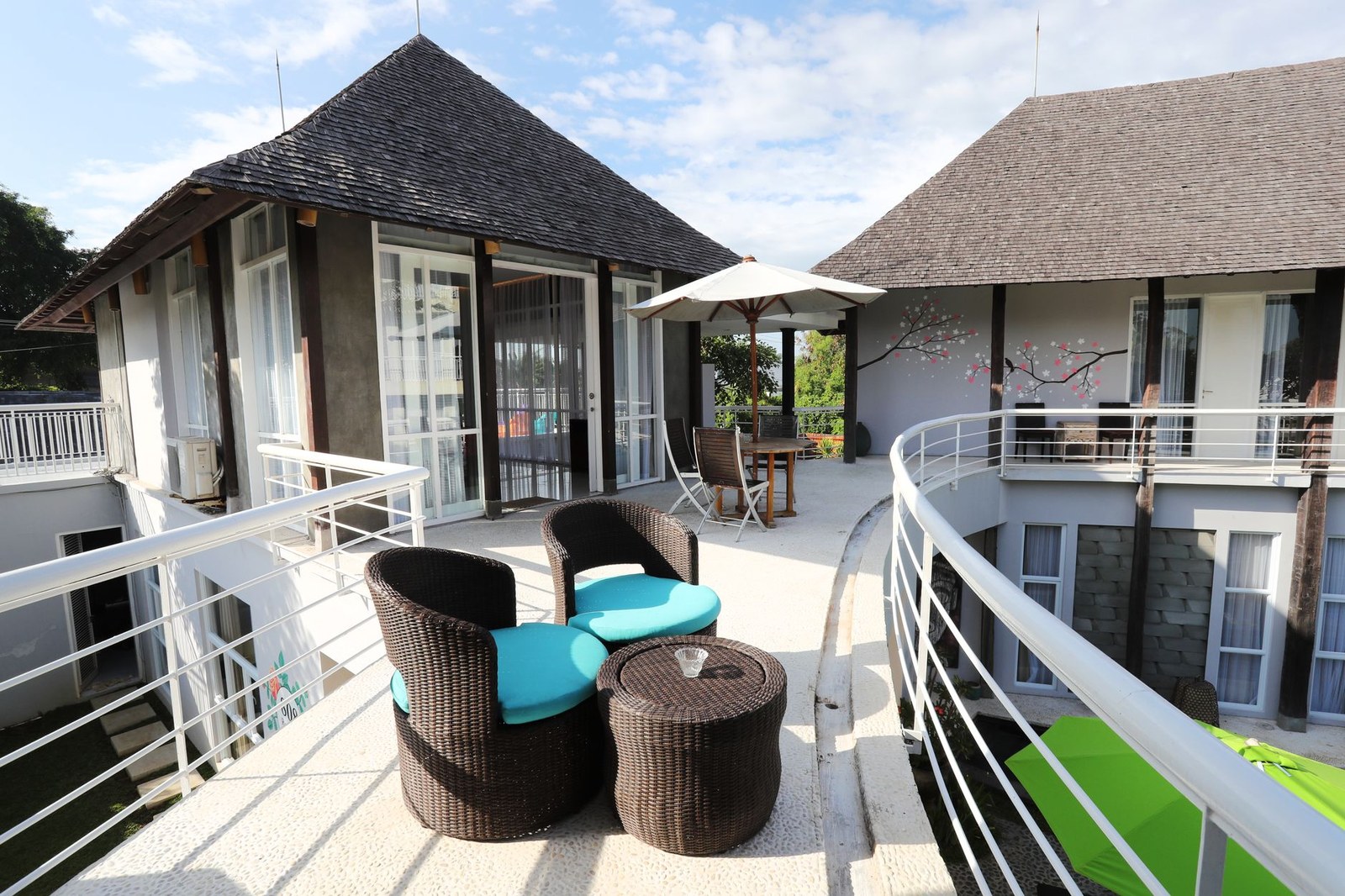
Challenge 3: 45-Day Production Deadline — How We Hit It
Forty-five days from deposit to container loading is tight for a 450-piece custom-color order. Our standard lead time for an order of this complexity is 50-55 days. The resort's timeline had zero float — the maintenance closure window was immovable. Here is how we compressed production by 7 days without cutting corners:
| Production Phase | Standard Duration | This Project | Compression Method |
|---|---|---|---|
| Material procurement | 7-10 days | 5 days | Pre-ordered aluminum profiles and HDPE granules upon deposit confirmation, before color sign-off (risk accepted: material was standard 6063-T5 alloy, only coating color changed) |
| Color matching & approval | 10-14 days | 8 days | Ran two color matching attempts in parallel — one with our standard pigment supplier, one with a backup — and shipped both sets to the client simultaneously by DHL express |
| Frame fabrication (Zone A) | 14-16 days | 12 days | Added 2 workers from packaging to welding (cross-trained), ran powder coating booth on overtime (2 extra hours/day for 10 days) |
| Weaving & assembly (Zone B) | 18-20 days | 15 days | Dedicated two weaving stations exclusively to this project, ran 6-day weeks instead of standard 5.5-day weeks |
| QC & packaging (Zone C) | 7-8 days | 5 days | QC team worked staggered shifts; packaging ran concurrently with QC on approved batches instead of sequential |
| Total | 50-55 days | 43 days | 2 days ahead of the 45-day deadline |
The key decision was pre-ordering materials before the color matching was fully signed off. This carried a small risk: if the client had rejected all color submissions and changed the design brief, we would have been holding 2 tons of aluminum profiles and 800 kg of HDPE granules without a confirmed order. But we assessed the risk as minimal — the client's design team was professional, their feedback was specific and incremental across the three review rounds, and the material specifications were locked early. A less experienced factory might have waited for full sign-off and missed the 45-day window by two weeks. Our read on the client and our willingness to absorb material risk is what made the difference. For more on production timelines, see our MOQ and lead time guide.
Packaging and Logistics: Getting 450 Pieces to Malé Intact
The Maldives supply chain adds complexity that a shipment to Rotterdam or Los Angeles does not. Malé is a transshipment port — containers from Shenzhen offload at Colombo or Singapore onto feeder vessels for the final leg. Every transshipment adds handling, and every handling event increases damage risk. Our packaging had to survive not just ocean transit but two port crane lifts.
Packaging specification for this order:
- 5-layer export-grade corrugated cartons with double-wall construction (BC flute, burst strength 1,200 kPa)
- Individual polyethylene foam wrapping on all contact surfaces of every piece, with 10mm foam thickness on corners (standard is 6mm)
- Cushions vacuum-compressed to 35% of original volume, individually bagged in 120-micron polyethylene with desiccant sachets — critical because Malé's humidity could saturate exposed foam during the final delivery leg
- Glass tabletops crated individually in 12mm plywood cases with 25mm of closed-cell foam separation between each pane
- ISPM-15 heat-treated pallets, stretch-wrapped with 4 layers of 100-gauge film (above standard 80-gauge/3-layer for long-haul transshipment)
- 2% spare parts pack: extra rattan strands in each color, spare hardware kits, and touch-up paint in all three custom colors
Container loading followed our standard weight-distribution protocol: heavy items (daybed frames, dining tables) on the bottom layer, chairs and loungers stacked above, cushions and accessories in the nose and door gaps. Each of the four 40HQ containers carried a detailed packing list affixed to the inside of the container door in a waterproof pouch. The resort's receiving team used these lists to verify piece counts before signing the delivery receipt. Read our container loading guide for the full protocol.
Ocean transit: Shenzhen Yantian → Colombo (7 days) → Malé (4 days). The containers arrived at Malé Commercial Harbor 14 days after departure — two days before the resort's maintenance closure window opened. The furniture was on-site and unwrapped before the first guest arrived for high season.
Results: What the Numbers Say After 18 Months
This case study is not based on a delivery that happened last week and looked good on arrival. It is based on a project delivered 18 months ago, with real performance data from two high seasons in the Maldives.
| Metric | Result | How We Verified |
|---|---|---|
| On-time delivery | 43 days production + 14 days transit = 2 days ahead of deadline | Bill of lading date vs contractual delivery date |
| Transit damage | 1 piece with minor frame scuff (0.22% of 450 pieces) | Resort receiving inspection report, resolved with touch-up paint from spare parts pack |
| Production defect rate | 0.22% — one welding touch-up missed in QC | QC rejection log; replacement piece shipped with next SOLAIREVA order to the region |
| Color match accuracy | All three custom colors within ΔE < 2.0 tolerance | Spectrophotometer readings on production samples vs approved swatches |
| Corrosion after 18 months | Zero oxidation blooms on any frame | Resort maintenance team quarterly inspection photos shared with our after-sales team |
| Rattan fading after 18 months | ΔE < 3.0 from original production swatch | Resort sent one daybed armrest sample back to our lab for spectrophotometer comparison |
| Reorders | 55-piece expansion order for new villa wing (8 months after delivery), 30-piece replacement for typhoon-damaged beachfront pieces (14 months) | Purchase orders on file; same custom colors, same specs, color-matched to archived master swatches |
The reorder data is the most meaningful number on this table. A buyer who places a second order after 18 months of daily use is not being polite — they are voting with their procurement budget. The 55-piece expansion order used the original sealed master swatches from our sample library, and the color match was verified at ΔE < 1.5 — tighter than the original production because both the pigment supplier and our extrusion team had learned the exact formulation from the first run.
The typhoon-damaged pieces tell another story. A tropical storm in late 2024 sent debris through the beachfront restaurant, destroying 30 pieces. The resort emailed us a list of damaged SKUs and photos. Because we archive every order's production specs for 5 years, we reproduced the 30 pieces to the original specifications in 18 days and shipped them as a partial container consolidated with another buyer's order heading to the region. The replacement pieces matched the surviving furniture perfectly — something that is only possible when a factory treats reorder consistency as a formal process, not a hope. Our factory tour shows the sample library where these master references are stored.
What We Learned — And What This Means for Your Resort Project
Every project teaches something. This Maldives order reinforced three principles that now guide how we approach every coastal resort project:
1. Salt spray is not a "premium upgrade" — it is the baseline. The resort's previous supplier treated corrosion resistance as an optional extra. We now default to stainless steel 304 hardware and 100+ micron powder coat for any project within 500 meters of saltwater. The cost difference is approximately 3-5% on the total order value. The cost of replacing 450 pieces after 3 years is 100% of the order value plus guest dissatisfaction that has no line item on a P&L.
2. Color approval needs parallel paths, not sequential rounds. Running two color matching attempts simultaneously with two pigment suppliers cut 6 days from the approval cycle. We now offer this as a standard option for projects with tight deadlines — it costs us an extra $120-200 in DHL shipping for the parallel sample set, which is negligible compared to the cost of missing a resort's renovation window.
3. The reorder proves the quality, not the initial delivery. Anyone can make furniture that looks good on arrival. Furniture that looks good after two monsoon seasons and still matches the original color specification is a different manufacturing standard. When a buyer asks "how do I know your quality lasts?", the answer is not a warranty document — it is the fact that this resort ordered again. Twice.
For buyers evaluating suppliers for a coastal resort project, the single most valuable question to ask is not "what is your warranty?" but "can I speak to a client whose furniture has been installed for over 12 months?" If the supplier hesitates, you have your answer. We maintain contact with our project buyers and can arrange reference calls upon request. See our factory verification guide for the full list of questions to ask any supplier before committing to an order.
FAQs About Resort Furniture Projects
What volume of furniture does a typical resort need?
Resort furniture volume scales with room count and amenity zones. A 150-key 5-star resort typically needs 300-600 pieces: approximately 1.5 loungers per key for the pool area, 1 dining seat per key for restaurants, plus lobby, bar, villa terrace, and spa furniture. The Maldives project covered 220 keys across four zones with 450 pieces. Our team can help estimate quantities from your architectural plans — contact us with your site layout for a detailed takeoff.
How do you handle installation in remote locations like the Maldives?
SOLAIREVA provides factory-direct delivery to the port; installation is handled by the resort's local contractor or our recommended installation partner. We provide detailed assembly instructions, an installation video, and a dedicated WhatsApp line for the installation team during the setup period. For projects over 300 pieces, we can send a SOLAIREVA technician on-site for 3-5 days at cost to supervise the installation and train the resort's maintenance team on care procedures.
What happens if furniture gets damaged in a storm after installation?
Storm damage is not covered under standard warranty (which covers manufacturing defects), but we support replacement logistics. For the Maldives resort's typhoon-damaged pieces, we produced replacements at the original order pricing, matched the color to archived master swatches, and consolidated the shipment to reduce freight cost. We recommend resorts maintain a 2-3% spare inventory of high-traffic pieces (loungers, dining chairs) for rapid replacement without waiting for container shipments.
Can you match furniture from a different manufacturer for expansion orders?
We can match existing furniture designs and colors from other manufacturers, but the fidelity depends on whether the original manufacturer documented their specifications precisely. We request a sample piece, color swatches, and any original specification sheets. Our engineering team will assess matchability and provide a delta report showing what can be matched exactly and what will have minor variation. For projects where exact matching is critical, we recommend ordering all furniture from a single manufacturer from the start.
Start Your Resort Project
If you are planning a resort outdoor furniture project — whether a new build, a renovation, or an expansion — the earlier you involve your manufacturer, the more options you have. Early involvement means we can advise on material selection before your design is locked, suggest cost-saving alternatives that achieve the same look, and reserve production capacity during your required delivery window.
Send us your project brief: number of keys, outdoor zones to furnish, target budget range, and preferred timeline. We will return a preliminary furniture recommendation with piece counts, material recommendations, and a budget estimate within 3 business days.