What the import route from China actually looks like
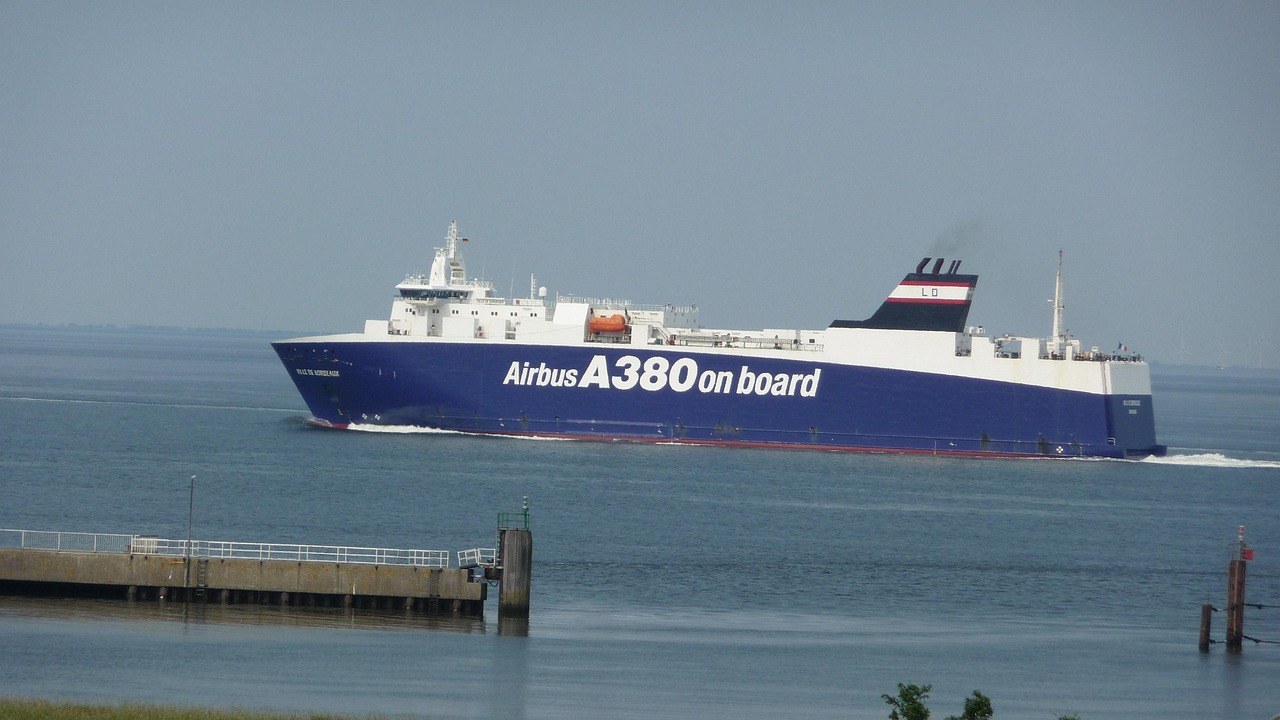
Importing outdoor furniture from China runs through four parties: the factory that builds the furniture, a freight forwarder that books the vessel, a customs broker at the destination port, and your own receiving warehouse. The factory quotes FOB and loads the container at Shenzhen, Nansha, Ningbo or Shanghai; the forwarder arranges the 25 to 40 day ocean leg; the broker files the entry and pays duty on your behalf; and inland trucking moves the cargo to your site. Each handover adds 1 to 5 days to the schedule and produces one more document that has to agree with the others.
| Party | What they handle | Typical cost | Where it goes wrong |
|---|---|---|---|
| Factory or export agent | Production, export packing, container loading, export customs in China | FOB price | Loading plan agreed too late, carton marks missing, invoice does not match the packing list |
| Freight forwarder | Vessel booking, bill of lading, ocean freight, marine insurance | USD 2,300-3,400 per 40HQ to Europe or US West Coast | Rolled booking in peak season adds 1 to 2 weeks |
| Customs broker | Entry filing, HS classification, duty and tax payment, release | USD 100-200 per entry plus disbursements | Wrong HS code or a value that does not match the invoice triggers a hold |
| Inland carrier | Port to warehouse delivery, unload, container return | USD 600-1,200 per 40HQ | Detention and demurrage at USD 50-150 per day when the container is not returned on time |
The route you choose changes both the price and the number of hands on the paperwork. Buying furniture from China through an export agent adds 15 to 25% to the FOB price and concentrates the China furniture import paperwork in fewer places, which suits a buyer who has never filed an entry. Ordering furniture from China directly with the factory costs less and gives you the real bill of materials. Marketplace listings answer the question of where to start, but for container volume there is no single best website to buy furniture from China: the comparison has to be run factory by factory, because a listing rarely keeps the party you inspect and the party that ships in the same building. Our supplier comparison guide sets out the three routes side by side with the markup and control each one carries.
Outdoor furniture categories that import well from China
Four categories carry most container volume for importers: PE rattan dining sets, aluminium dining sets, rattan lounge groups and sun loungers. A 40HQ holds 70 to 90 four-piece PE rattan dining sets, 80 to 100 aluminium dining sets, 30 to 45 lounge groups or 180 to 280 flat-packed sun loungers, so the same freight bill produces very different unit economics by category. Patio furniture from China and garden furniture from China ship on the same frames and cartons as rattan ranges, so buyers who import patio furniture from China alongside garden ranges usually treat the two categories as one programme instead of running two supplier relationships.
| Category | Typical 40HQ load | 2026 FOB band | Strongest markets |
|---|---|---|---|
| PE rattan dining set, table plus 4 chairs | 70-90 sets | USD 180-350 per set | Europe, Australia, Middle East |
| Aluminium dining set, table plus 4 chairs | 80-100 sets | USD 220-450 per set | US, Canada, Northern Europe |
| Rattan lounge group, sofa, 2 armchairs, coffee table | 30-45 sets | USD 330-780 per set | Hospitality projects, retail garden centres |
| Bistro set, 2 chairs and a small table | 200-300 sets | USD 95-190 per set | UK, Germany, Benelux |
| Sun lounger, aluminium or rattan | 180-280 units | USD 150-340 per unit | Resorts, pools, coastal retail |
| Grade A teak dining set, table plus 4 chairs | 35-55 sets | USD 780-1,900 per set | Design-led terraces, dry climates |
Rattan garden furniture from China is the category most first-time importers start with, because the weave hides minor transit scuffs and the cartons compress well. Aluminium ranges win where a buyer wants a powder coat colour held to a brand guideline, and teak suits markets that accept an annual oiling schedule in exchange for a 15 to 25 year service life. The 2026 FOB price range guide breaks each band down by specification, and the product collections show the frames and weave combinations we hold for import programmes.
FOB, CIF or DDP: choosing the Incoterm for your import
FOB is the working default for a first outdoor furniture import: the factory delivers the loaded container to the Chinese port, and you pay the ocean freight, duty and inland delivery through your own forwarder. CIF puts the ocean freight on the supplier's account, and DDP moves duty and destination delivery there as well. FOB leaves the freight number visible and the forwarder under your control, which matters when a first container is being inspected, tracked and claimed against. CIF and DDP simplify the paperwork and are worth using once the supply relationship has already proved itself.
| Term | Supplier pays | You pay | Risk passes | Best used when |
|---|---|---|---|---|
| EXW | Production and packing only | Inland China haulage, export customs, everything after | At the factory gate | You already have an agent in China |
| FOB | Inland haulage to port, export customs, loading | Ocean freight, insurance, duty, port charges, inland delivery | When goods are on board | Default first import, full cost visibility |
| CIF | Freight to the destination port, minimum insurance | Duty, port charges, inland delivery, any insurance above minimum | At the destination port | Buyer without a forwarder, small teams |
| DDP | Everything, including duty and delivery | Nothing until the goods arrive | At your warehouse | Small trial orders, no importer of record |
DDP is convenient and it also hides the duty and freight inside a single unit price, which makes the two biggest variables in a landed cost calculation invisible. If a supplier quotes DDP at a price close to the FOB quotes you collected, ask what duty rate and freight rate they used, because those numbers have to come from somewhere. Buying outdoor furniture direct from China with your own forwarder keeps both numbers in front of you. The shipping cost breakdown sets out the 40HQ freight bands by destination lane and explains where LCL starts to cost more than FCL per unit.
Landed cost: HS codes, duty and the numbers importers miss
Landed cost is the FOB price plus ocean freight, marine insurance, destination duty, port charges and inland delivery, and import duty on outdoor furniture is the line first-time importers most often leave out. Take a 40HQ of PE rattan dining sets at USD 240 FOB per set with 80 sets loaded: product cost is USD 19,200, ocean freight to Europe adds about USD 2,600, insurance about USD 100, port charges USD 400 to 800 and inland delivery USD 600 to 1,200, so the cost per set reaches roughly USD 297 to 311 before duty and landed cost finishes at 1.9 to 2.4 times FOB.
Classification follows the material and the seat type rather than the product name. Outdoor metal furniture usually sits under 9403.20.00, wooden outdoor furniture under 9403.60, and outdoor seats with textile-covered cushions under the 9401.79 subheadings, while plastic garden furniture falls under 9403.70. Get the code from the factory, then have your broker confirm it, because the same dining set can move between subheadings if the frame or the cushion construction changes.
| Destination | Typical MFN rate on outdoor furniture | Extra charges to plan |
|---|---|---|
| United States | Free on most furniture subheadings in Chapter 94 | Section 301 China tariff on top, about 7.5% on the outdoor furniture subheadings we see most, with higher rates on some furniture lines after the 2024 increases. Confirm per 10-digit HTS code. |
| European Union | 0% to 2.7% depending on subheading | Import VAT charged at entry, recoverable by a VAT-registered business |
| United Kingdom | 0% to 4% depending on subheading | Import VAT, plus UKCA marking where a product falls under a regulated scope |
| Australia | 5% on most furniture | GST of 10% at entry, customs processing and biosecurity inspection fees |
| GCC and Middle East | 5% common external tariff | Country-specific conformity schemes and Arabic labelling in some markets |
Rates move with trade policy, so treat the table as a planning input and confirm the current figure with a licensed broker before you price a landed cost, especially for US entries where the China-specific tariff sits on top of the general rate. Freight behaves the same way and moves month to month. The total cost of ownership guide shows how duty, maintenance and replacement interact across a five-year hold, which is the calculation that decides whether a cheaper set actually costs less.
MOQ, order size and filling a first container
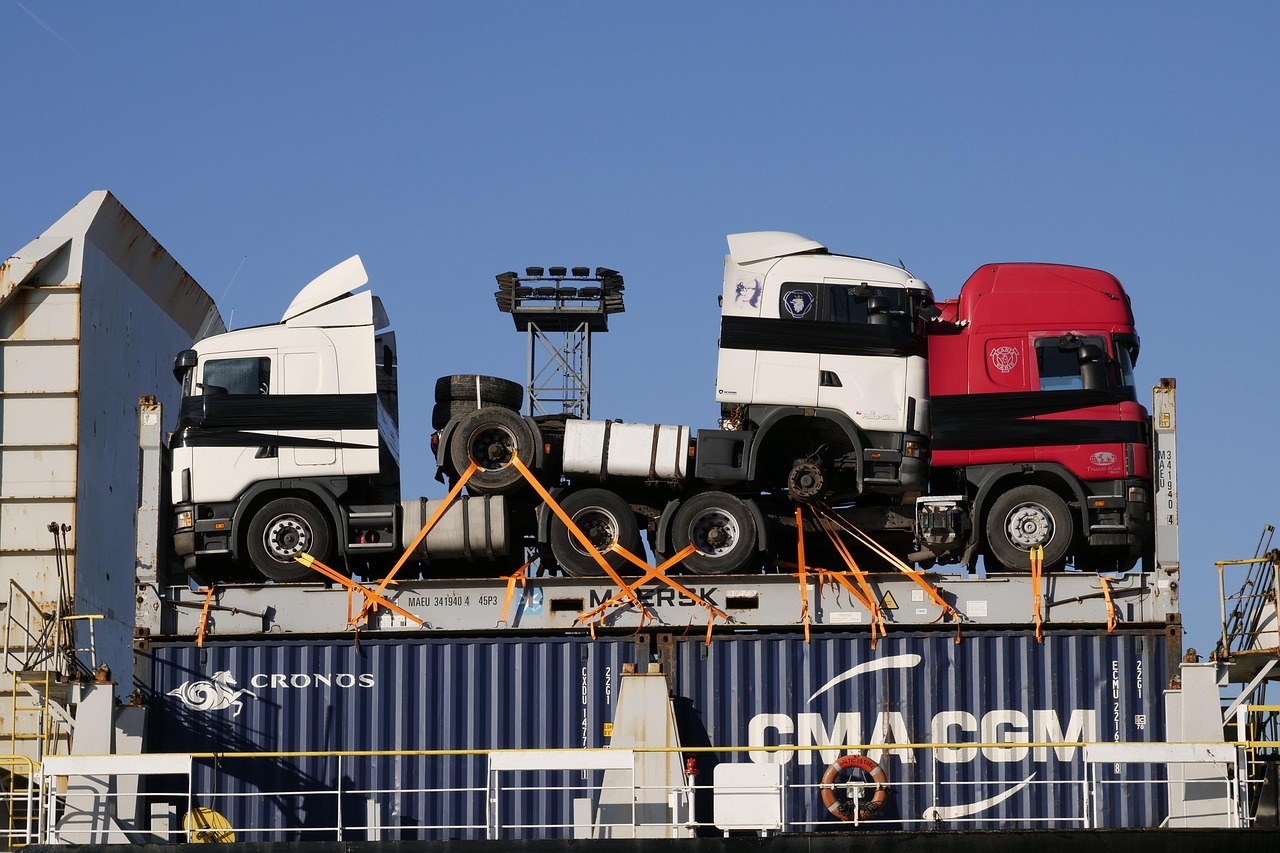
MOQ for outdoor furniture from a Chinese factory sits at 20 to 30 sets per model on a first order, then drops to 10 to 15 sets once you have ordered twice on the same frame and colour. A 20ft container takes 35 to 45 PE rattan dining sets and a 40HQ takes 70 to 90, so the practical first-order shape is three to five models at 20 to 30 sets each, loaded against one frame colour and one cushion fabric. Private label cartons and cushions usually need 50 to 100 units per model before a print run or a tooling change makes sense, which is the order size to buy wholesale furniture from China at on a first container.
- Keep one frame colour and one fabric across the whole container. Mixed palettes still fill the box but add 3 to 7 days of changeover time.
- Use bistro sets and benches as filler for the last 5 to 10 CBM, since they pack the most value per cubic metre.
- Ask for carton dimensions and weights before you finalise the load, because a quotation sheet rarely matches the carton that gets built.
- Keep the first order at trial size and take the 8 to 15% full-container discount on the reorder, which is easier to negotiate once one container has shipped clean.
Most buyers who start with a single pallet move to containers once they see the freight maths, because a 40HQ costs 30 to 44% more in freight than a 20ft while carrying more than twice the volume. Our MOQ negotiation guide lists the five tactics that work when the first order has to stay small without losing the factory's attention.
Lead times, production slots and ocean transit
Plan 75 to 110 days from first enquiry to a loaded container. Quotation takes 2 to 5 days, sampling 7 to 15 days from an existing model or 15 to 20 working days for new tooling, production 25 to 45 days after deposit, pre-shipment inspection 1 to 2 days, and inland transport to the port 2 to 4 days. Ocean transit adds 25 to 40 days to Europe or North America on top of that.
| Stage | Working days | What delays it |
|---|---|---|
| Quotation and specification | 2-5 | Quotes submitted without alloy, wall thickness, weave and foam detail, which forces a second round |
| Sample | 7-15 existing model, 15-20 new tooling | Colour approval rounds and new frame tooling |
| Production | 25-45 after deposit, 45-55 in the August to October peak | Peak season queues at the powder coat, extrusion and sewing lines |
| Inspection and loading | 1-2 inspection, 2-4 to port | Inspection booked after loading removes any chance to correct cartons |
| Ocean transit | 25-40 to Europe or North America | Peak-season booking rolls and port congestion |
Two dates govern the calendar. Mid-January is the practical cut-off for production that has to ship before the Lunar New Year break in February, when Guangdong factories stop for two to three weeks and the workforce returns in stages. Working back from a March shelf date, the production deposit should be paid by mid-November. The container capacity calculator converts these quantities into cost per unit for both container sizes, and the factory page shows the capacity and four-stage QC line that a production slot is booked against.
How to verify an outdoor furniture supplier before the first payment
Verification takes about a week and costs far less than one rejected container. Ask for the business licence with a furniture manufacturing scope, the export licence, ISO 9001:2015 certification, a BSCI or equivalent social compliance report, and salt spray test reports to ASTM B117 that name the laboratory and the hours reached. Then take a live video call through the weaving, welding, powder coat and packing areas, and ask the same person to hold up a frame drawing beside the matching production frame.
- Licence scope covers furniture manufacturing, not trading, consulting or import-export only.
- ISO 9001:2015 certificate number checkable on the issuing body's register.
- Salt spray report naming the laboratory, the standard and the hours reached, with the finish described.
- Live video from the production floor showing the lines your order will actually run on.
- Two buyer references in your region, one of them recent, contacted directly by you.
- Written willingness to accept a third-party pre-shipment inspection from SGS, TUV or Intertek.
A trading company cannot show a production floor and a frame drawing that agree, and suppliers who describe themselves as factories usually cannot either. The manufacturer comparison applies the same checks across ten factories, and the OEM/ODM pages explain how custom frames, colourways and private label are handled once a supplier passes.
Payment terms: what protects the buyer
The standard structure for a first outdoor furniture import is a 30% T/T deposit with the balance against the bill of lading copy, which is the term most Chinese factories accept from a new buyer. A letter of credit at sight suits orders above roughly USD 50,000 and adds 0.5% to 1.5% in bank charges while moving the security to the banks. Paying the full amount before production removes your leverage on quality, and payment after arrival is rarely offered to a first-time buyer without a credit history.
| Term | Buyer protection | Cost | Fits |
|---|---|---|---|
| 30% T/T deposit, 70% against B/L copy | Balance released while the goods are still identifiable and the documents unsigned | Bank wire fees | Most first orders |
| L/C at sight | Banks release payment only against compliant documents | 0.5-1.5% of value | Orders above about USD 50,000 |
| 30/40/30 against production milestones | Payment tied to sample approval and inspection | Admin time | Custom tooling and large private label runs |
| Full payment before production | None until delivery | Supplier discount of 1-3% is usual | Repeat orders with a proven supplier only |
Tie the balance to the pre-shipment inspection rather than to a date. A supplier who accepts inspection before the balance is a supplier who expects the first container to pass, and that expectation is worth more than the discount a full prepayment buys. The RFQ package guide shows the nine sections to send before any of these terms are discussed.
Documents and packaging that clear customs
A clean import needs six documents that agree with each other: a commercial invoice, packing list, bill of lading, certificate of origin, the test reports your destination requires, and an ISPM 15 stamp on any wooden pallet or crate. A mismatch between the invoice and the packing list is the most common reason a container sits at the port, and storage runs USD 50 to 150 per day once free time expires, so the paperwork is worth a second proofread before the vessel sails.
- Cartons built from five-layer corrugated board rated above 1,200 kPa burst strength, with corner protection on table tops.
- Foam or honeycomb pads between stacked frames and a moisture barrier for sea transit.
- Cushions vacuum compressed where the design allows, which frees 15 to 25% of cushion volume.
- Carton marks carrying your SKU code, barcode and the loading sequence, so unloading matches the plan.
- ISPM 15 heat treatment and stamp on every wooden component, or the container is refused at destination.
Send the document set to your broker before the vessel departs, because classification questions are cheaper to answer while the goods are still at sea. The export packaging guide covers the five-layer specification and container blocking in detail.

Mistakes that cost first-time importers money
Five mistakes account for most of the loss on a first container: comparing FOB quotes that describe different specifications, under-budgeting duty, shipping two 20ft boxes instead of one 40HQ, booking inspection after loading, and leaving foam density or fabric composition out of the order. Each one is visible on paper before the deposit is paid, which is why the specification belongs in the proforma invoice, where it can be checked against the goods on arrival.
- Treating the lowest quote as the best one when the alloy, wall thickness, weave spec and foam density were never stated.
- Budgeting FOB plus freight and forgetting duty, port charges and inland delivery, which together can add 10 to 20% to the delivered cost.
- Splitting a single order across two 20ft containers and losing 30 to 44% on the per-unit freight.
- Approving a hand-made sample rather than one from the production line that will run the order.
- Skipping the pre-shipment inspection, then discovering short shipments or transit damage at the warehouse.
Buying furniture from China on price alone is the common thread. A quote without a specification cannot be compared with the next one, so the cheapest reply wins the order and the frame arrives thinner than the retail display expects. Put the specification in the proforma invoice, approve a production sample, and inspect before loading.
Frequently asked questions about importing outdoor furniture from China
These five answers cover the questions that decide most orders placed by buyers who import furniture from China for the first time: total cost, minimum quantity, customs requirements, lead time and whether to buy direct from a factory. Each answer stands on its own, so the numbers can go straight into a buying plan or a supplier email. The short version for a first container is 20 to 30 sets per model across three to five models, FOB terms with your own forwarder, duty confirmed by a broker, and a pre-shipment inspection on a 10 to 20% sample before the balance payment.
How much does it cost to import outdoor furniture from China?
A four-piece PE rattan dining set runs USD 180 to 350 FOB, an aluminium set USD 220 to 450, and a Grade A teak set USD 780 to 1,900 in 2026. Ocean freight adds USD 2,300 to 3,400 per 40HQ to Europe or the US West Coast plus USD 100 to 150 marine insurance, and destination duty sits at 0% on most US furniture subheadings before the Section 301 China tariff, 0 to 2.7% in the EU, 0 to 4% in the UK and 5% in Australia. Landed cost typically lands 1.9 to 2.4 times FOB once port charges and inland delivery are included.
What is the minimum order to import outdoor furniture from China?
Most Chinese outdoor furniture factories start at 20 to 30 sets per model on a first order, and a 20ft container holds 35 to 45 PE rattan dining sets, so the usual first-order plan is three to five models at 20 to 30 sets each. Minimums fall to 10 to 15 sets per model after two orders on the same frame and colour, and private label cartons usually need 50 to 100 units per model to justify a print run.
Do I need a licence or a customs broker to import furniture?
Most markets do not require a special licence to import general outdoor furniture, but you do need a business tax number at destination, such as an EIN in the United States, a VAT and EORI number in the EU and UK, or an ABN in Australia. A licensed customs broker files the entry, classifies the goods and pays duty on your behalf, and their fee is typically USD 100 to 200 per entry plus disbursements. The factory supplies the commercial invoice, packing list and bill of lading the broker files against.
How long does it take to import outdoor furniture from China?
Plan 75 to 110 days from first enquiry to a loaded container. Quotation takes 2 to 5 days, sampling 7 to 15 days from an existing model or 15 to 20 working days for new tooling, production 25 to 45 days after deposit, inspection 1 to 2 days and inland transport to the port 2 to 4 days. Ocean transit adds 25 to 40 days to Europe or North America, so an order confirmed in early October reaches a European warehouse in December or January.
Can I buy outdoor furniture direct from a factory in China?
Yes, and direct factory purchase is the normal route for container orders. Buying furniture directly from China removes the 15 to 25% export-agent markup, but it also moves freight, duty and quality control onto you, so confirm the business licence carries a furniture manufacturing scope, ask for ISO 9001:2015, BSCI and ASTM B117 salt spray reports, take a live video walk through the production floor, and book a third-party pre-shipment inspection on a 10 to 20% sample before the balance payment.
Import outdoor furniture from China with SOLAIREVA
SOLAIREVA has manufactured commercial outdoor furniture in Shunde, Guangdong since 2004, with a 16,000 m² factory, 49 team members and more than 15,000 pieces of monthly production. We ship 15 or more high-cube containers a month and hold ISO 9001:2015 process discipline, BSCI social compliance and EN 581 testing habits, with quarterly SGS salt spray testing on powder-coated frames clearing 1,500 hours to ASTM B117. Our export defect rate runs at 0.47% across the four-stage QC line, which is the number importers reorder against.
Standard import terms: 20 to 30 sets per model, samples in 7 to 15 days from existing models and 15 to 20 working days for new tooling, production in 25 to 45 days, FOB Shenzhen or Nansha pricing, carton dimensions and weights supplied for your forwarder, and export documents issued to match your broker's filing. If you are importing furniture from China for the first time and want the specification behind each price, the garden furniture wholesale guide shows the same calculation from the wholesale side. Send your model list, quantities and delivery port through the quote request form, or contact the project team if you are still deciding between patio furniture direct from China and a domestic distributor.