What hospitality outdoor furniture covers in a contract order
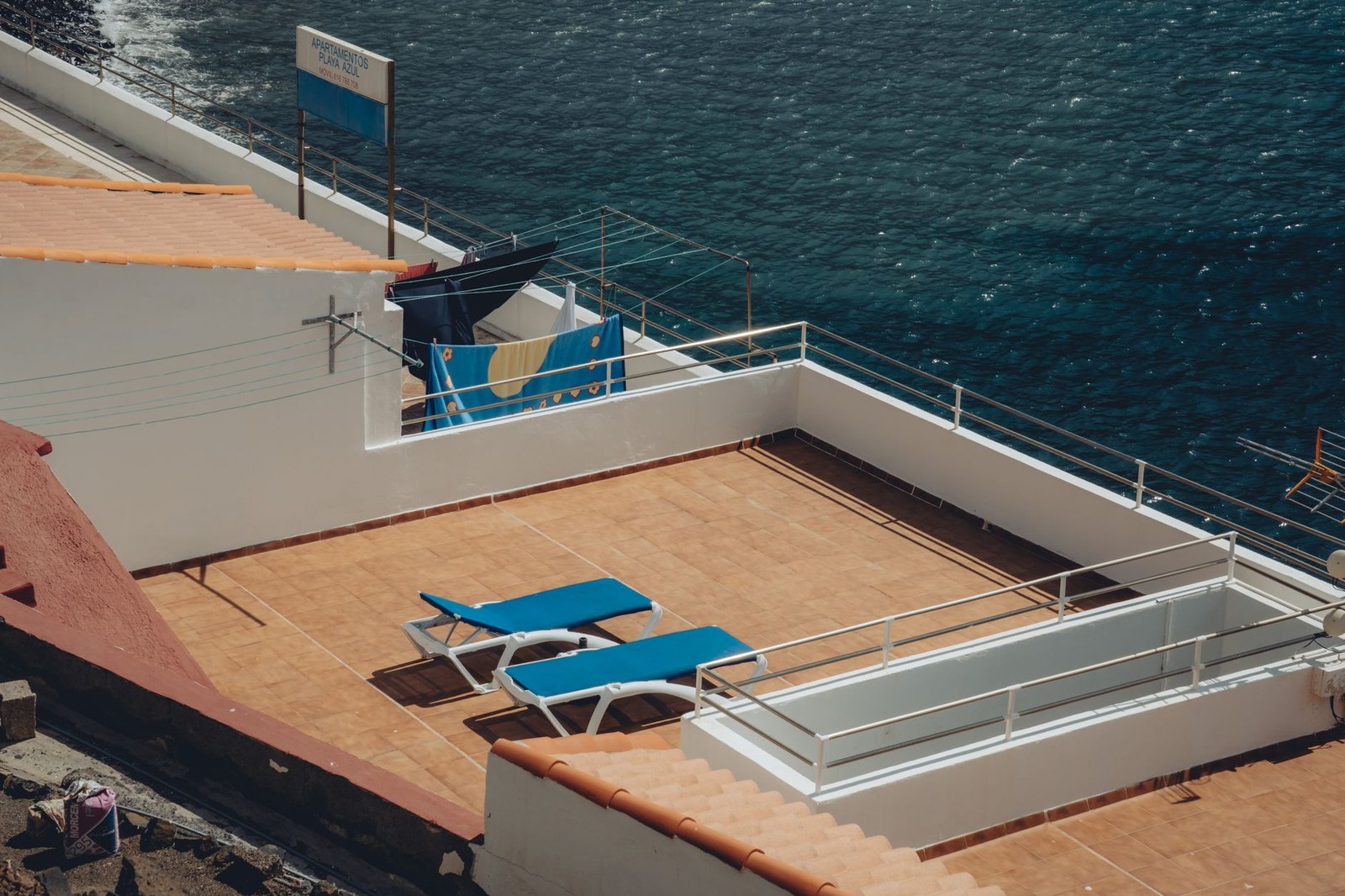
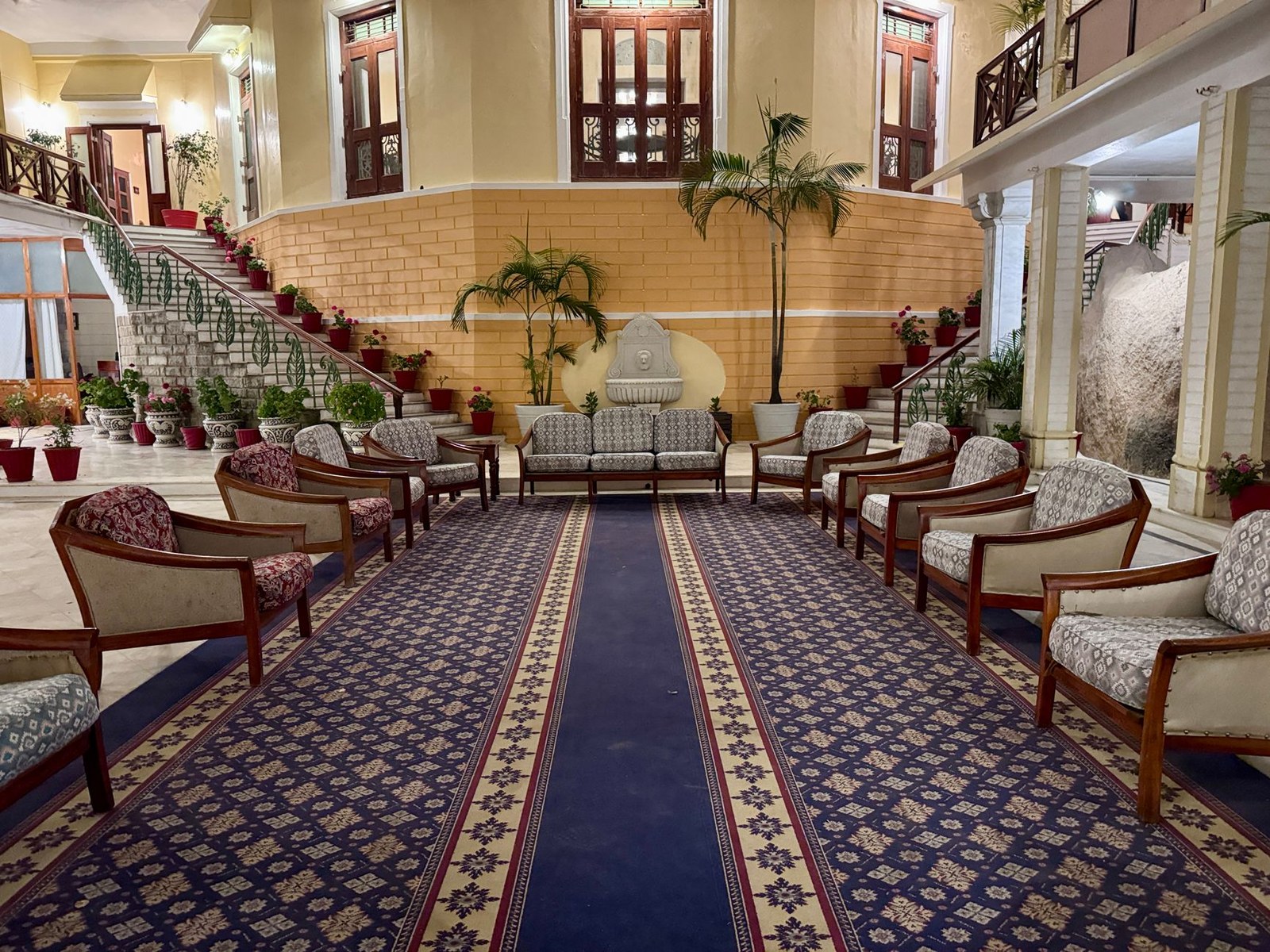
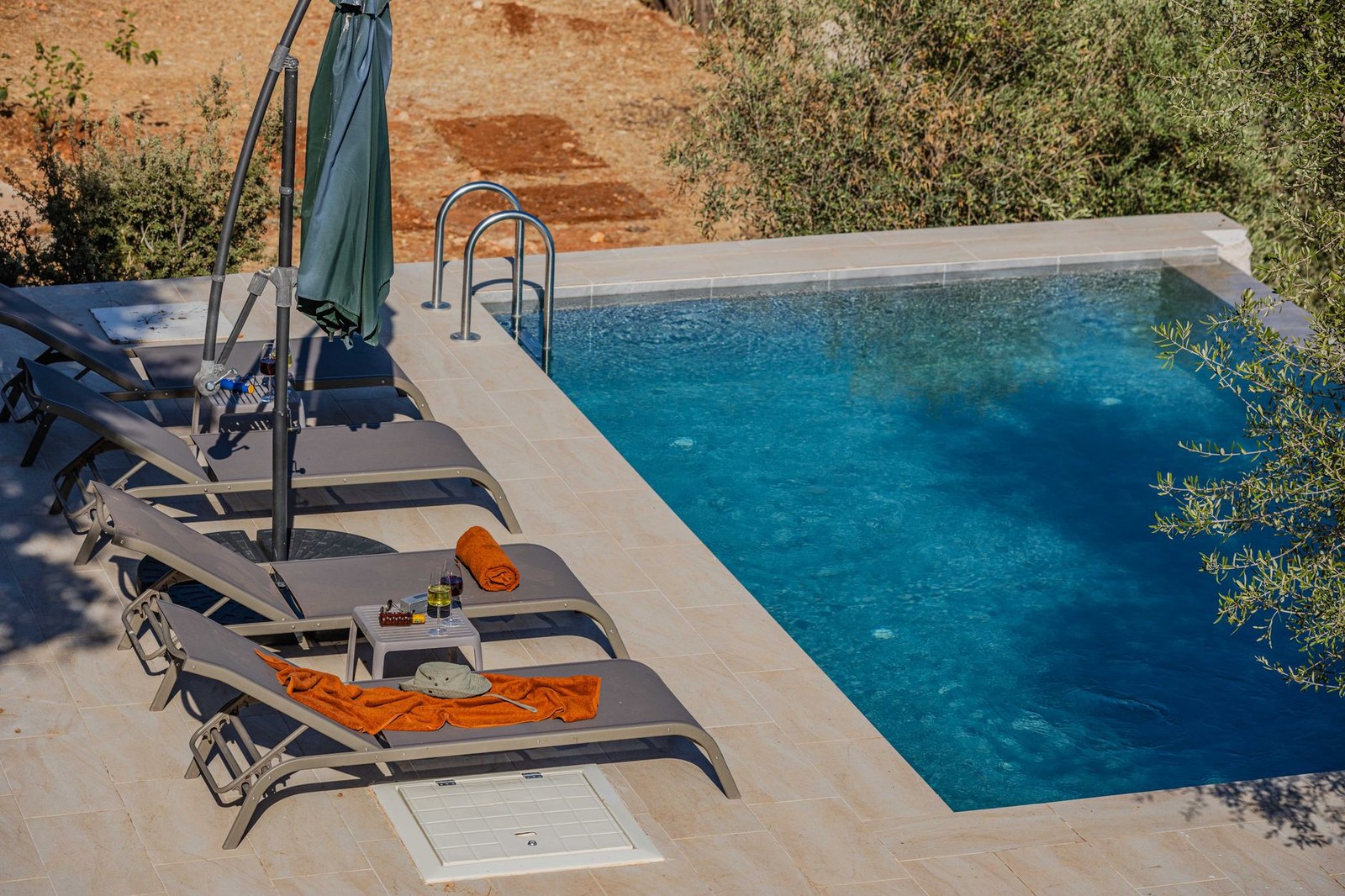
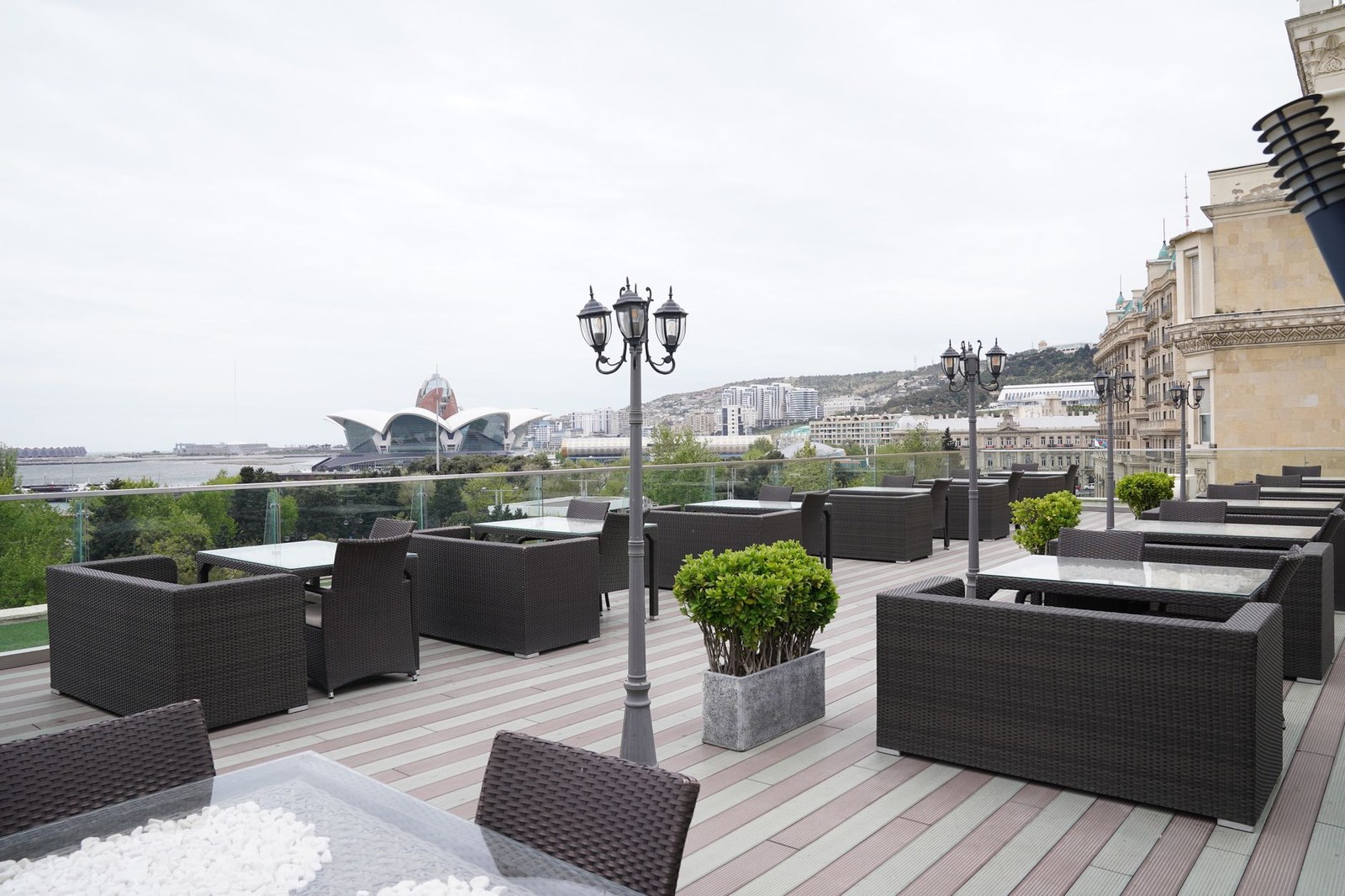
Hospitality outdoor furniture covers the seating, dining and lounging a hotel, resort, restaurant or beach club buys against an FF&E schedule: pool loungers, canopy daybeds, terrace dining sets, lobby lounge groups and balcony chairs, with 60 to 400 pieces in a typical 100 to 200 room property. A programme of that size runs USD 45,000 to 320,000 FOB and is normally split across two or three shipments tied to the opening date. The category is judged on guest turnover, cleaning method and replacement cost, so the specification has less in common with garden retail than the product photographs suggest. US buyers usually call the same range hospitality patio furniture, UK buyers call it terrace furniture, and the poolside part is sold as hotel swimming pool furniture; the contract specification does not change with the name.
Buyers arrive from three directions and the order changes with the route. A hotel group procures through an FF&E agent and expects drawings, a bill of materials and phased delivery against a schedule. A resort operator buying direct wants one supplier for loungers, daybeds and terrace tables, and cares most about a consistent finish across phases. A restaurant or beach club group replaces batches of the same SKU every two to three years and needs the frame to stay in production. When buyers ask where to buy hotel furniture, the answer that holds up over a ten-year operation is a factory that keeps the SKU, the fabric and the spare parts available, not the lowest quotation for the first container.
Most hospitality programmes we quote contain the same five product families, and the packed volume of each one decides how the order ships. The table below is the planning sheet we use on first enquiries for hotels, resorts and restaurants.
| Product family | Packed volume each | Units per 40HQ | What moves the price |
|---|---|---|---|
| Aluminium pool lounger, adjustable back | 0.35-0.55 CBM | 120-190 | Frame wall, sling weight, hinge hardware |
| Textilene sling lounger, no cushion | 0.30-0.45 CBM | 145-215 | Mesh weight and UV stabilisation |
| Canopy daybed, 180-200 cm platform | 1.2-2.2 CBM | 30-55 | Canopy type, weave, cushion system |
| Terrace dining set, table plus 4 chairs | 0.5-0.8 CBM | 85-140 | Table top material, chair frame, stacking |
| Lobby or lounge group, two sofas plus table | 1.8-3.2 CBM | 22-38 | Seat upholstery, knock-down design |
Published 2026 bands apply to the same families: aluminium pool loungers run USD 25 to 90 FOB depending on frame wall, sling weight and hinge quality, terrace dining sets run USD 250 to 620, and a four-piece lounge group runs USD 330 to 780 in powder-coated aluminium or PE rattan. A canopy daybed is quoted on platform size, canopy fabric and weave, so ask for the price and the carton CBM per SKU in the same reply. The commercial pool sun lounger guide and the canopy daybed guide break those two families down piece by piece.
How a hospitality order differs from a retail order
A contract version of the same lounger carries six lines that residential product does not: 1.5 to 2.0 mm aluminium wall on seating and 1.2 to 1.5 mm on loungers, powder coat at 60 microns or more, foam at 28 to 35 kg/m3 against 18 to 22, solution-dyed acrylic at 280 to 320 g/m2 rated for 1,000 to 1,500 UV hours, stainless 304 or 316 fasteners throughout, and seating tested to EN 16139 at 200,000 cycles. Those lines add 35 to 60% to the unit price and take service life from two or three seasons to seven to ten years in daily commercial use.
The maintenance budget shows the gap sooner than the unit price does. Hotel poolside furniture is hosed, stacked and dragged across tile, and it sits in chlorinated splash at pH 7.2 to 7.8 with sunscreen oil on the cushions. Standard foam holds most of the water it takes in, so a cushion that stays damp through a wet week grows mildew and reaches the replacement list inside two seasons, while quick-dry reticulated foam releases about 60% of poured water within a minute and lets the cover dry the same day. Commercial grade hotel furniture is specified around that cleaning routine: mesh drainage panels in the cushion base, zip-off covers in the project fabric, stack buttons between frames, and non-marking feet that protect both the deck and the powder coat.
Batch consistency is the third difference and the one that creates the most site complaints. Powder coat is mixed by batch and solution-dyed acrylic is woven by dye lot, so a programme bought as two orders six months apart can arrive in two visibly different greys. Specify one dye lot for the whole project, hold the batch record with the order, and buy 3 to 5% spare canopy tops and cushion covers in the same run.
FF&E schedules, mock-up units and phased delivery
Hotel outdoor furniture is bought against an FF&E schedule approved six to nine months before opening, and that schedule sets the production dates rather than the factory calendar. A typical programme runs in three phases: a mock-up unit or room approved early so the finish can be signed off, a first shipment of 60 to 70% of the order delivered 10 to 14 weeks before handover, and a second shipment of 30 to 40% held back for snag lists and room-count changes. Producing every phase from one fabric dye lot and one powder batch is what keeps a terrace looking like a single order two years later.
The mock-up is worth the lead time it costs. It converts questions about weave density, cushion firmness and colour into something the project team can sit on, and it gives the factory a reference unit to hold against every carton in the bulk run. Sample units are charged at a multiple of the production price and are normally credited back against the bulk order above 50 units, so ask for the credit terms in writing before the sample is built. For a resort with several outlets, one approved unit per product family covers the whole property and keeps the sign-off to a single meeting.
Two commercial points belong in the supplier agreement at the same time. Confirm that spares, at 3 to 5% of the order, ship in the first container rather than the last, because the poolside loungers take the damage long before the lobby furniture does. Then agree the price and availability of replacement covers and canopy tops for five years, since a fabric that cannot be reordered turns a repair into a furniture replacement. The warranty coverage guide shows which components a contract warranty normally covers and which it does not.
Fabrics, foam and the standards a hotel specification calls out
Hotel specifications name standards rather than adjectives, and five of them do most of the work: EN 581-1, EN 581-2 and EN 581-3 for outdoor furniture stability, strength and durability, EN 16139 for contract seating at 200,000 cycles, ASTM B117 neutral salt spray at 500 hours or more, ISO 105-B02 lightfastness at grade 6 or better, and Crib 5 to BS 5852 where a UK hotel specification requires fire performance on cushions. A supplier who cannot send the test report with the laboratory name and the hours or cycles reached is quoting a different article from the one written into your specification.
Fabric choice follows the climate before it follows the design. A beachfront or monsoon property should carry solution-dyed acrylic at 280 to 320 g/m2 with a quick-dry core, because a damp cushion in humid air becomes a mould complaint within a month. A desert or Mediterranean property can accept olefin at 240 to 280 g/m2 and save USD 8 to 18 per seat, since fading matters there more than drying. Sling loungers for high-turnover decks use textilene at 550 g/m2 or heavier, and anything lighter sags under commercial load inside 18 months. Contract fabric lands USD 18 to 45 per seat above standard olefin, and a fire-retardant treatment adds USD 6 to 12 per cushion where the local code requires it.
Frame and fixings are specified on the same sheet. Aluminium 6063-T5 with an outdoor polyester powder coat of 60 microns or more is the default, stainless 304 is the standard fastener grade, and stainless 316 is the upgrade within about 5 km of salt water. One zinc-plated screw in the weave or the arm joint will bleed a rust stain down a white cushion, and it is the single most common substitution found during a receiving inspection.
MOQ, samples and how a hospitality programme is priced
MOQ on hospitality furniture starts at 20 to 30 units per design for catalog loungers and seating, rises to 30 to 50 units where dimensions or fabric colours change, and reaches 50 to 80 units for a new frame or weave built to your drawing. Daybeds follow the same pattern in aluminium at 20 to 50 units per SKU. Price steps down about 10 to 15% at 100 pieces per design and 12 to 18% on a repeated programme, which is why phasing a hotel order through one supplier usually costs less over the project than the first invoice suggests.
Three levers move a hospitality price without changing the product. Holding the programme to one or two frame colours lets the coating line run one batch instead of three and removes three to seven days of changeover. Booking a production slot outside the August to October peak avoids the 45 to 55 day queue and the peak-season surcharge that comes with it. Mixing loungers, daybeds, terrace tables and umbrellas in one container spreads freight across more pieces, so the load plan often carries more value than the unit price. The RFQ package guide lists what to send with the quantity table so quotes come back comparable, and the supplier comparison guide sets out what a trading company adds on top of a factory price.
Container planning for a hotel delivery
Container planning decides more of the landed cost on a hospitality order than the unit price does. A 40HQ gives 65 to 70 CBM of usable volume against a nominal 76, and a 20ft gives about 33, so a programme is planned as one mixed load wherever the delivery schedule allows. Deck product ships loose in cartons rather than palleted, with pallets used only where the site has forklift access and dry storage. Mixing loungers, daybeds, dining sets and umbrellas in one container has reached 94 to 97% fill on load plans built from real carton dimensions, against 80 to 85% on orders planned from a price list.
Three practical points avoid damage and site delays. Cartons for outdoor furniture need ventilation slots and a desiccant pack per pallet or bundle, because a sealed container crossing the tropics will sweat and mould the weave. Cushions and canopies ship in their own cartons rather than compressed inside the frame carton, since a creased canopy does not recover. Then match the delivery window to the site: many hotels have no dock and no storage before handover, so a shipment that arrives three weeks early can cost more in off-site storage than the freight saved by consolidating it. Hospitality suppliers who ship regularly will hold the container at the port or in a bonded warehouse until the site is ready, and that option belongs in the quotation. The container capacity calculator converts each family into pieces and cost per unit for both box sizes.
Lead times and the calendar for a hotel opening
Allow 90 to 150 days from a confirmed specification to a delivered hospitality container, and count backwards from the opening date instead of forwards from the order. Production takes 25 to 45 days after deposit and 45 to 55 days through the August to October peak, sampling runs 10 to 20 working days on an existing frame and 20 to 30 on new tooling, and ocean transit adds 25 to 40 days to Europe or North America. Guangdong factories close for two to three weeks around Chinese New Year in February, so a spring terrace opening needs production running by December and the sample approved in October.
| Stage | Working days | What delays it |
|---|---|---|
| FF&E specification and drawing approval | 10-25 | Standards named without a test report behind them |
| Sample or mock-up unit | 10-20 existing, 20-30 new tooling | Colour rounds, weave density, cushion firmness sign-off |
| Production, phase 1 | 25-45 after deposit, 45-55 in Aug-Oct | Queues at extrusion, coating and sewing lines |
| Inspection and loading | 2-5 | Inspection booked after loading, leaving no time to correct cartons |
| Ocean transit to Europe or North America | 25-40 | Peak season booking rolls and port congestion |
| Phase 2 shipment for snag-list items | 25-40 after phase 1 | Late room-count changes and spare-part orders |
Two dates set the whole schedule. A spring opening means production starts by December so the goods arrive before the terrace reopens, and a winter-sun destination in the Gulf or the Caribbean has to load before the pre-holiday freight peak in November. Build three to four weeks of buffer between the first delivery and the opening date for the snag list, because the second phase always exists on a real project and always ships after the first.
How to vet a hospitality outdoor furniture supplier
Vetting a hospitality supplier takes about a week and costs less than one rejected container. Ask for the business licence with a furniture manufacturing scope, the export licence, ISO 9001:2015 certification, a BSCI or equivalent social compliance report, and current test reports to EN 581 and EN 16139 that name the laboratory and the cycles reached. Then walk the cutting, welding, weaving, coating, sewing and packing lines on a live video call, and ask for two hospitality references with a contact you can call. A supplier that serves hotels and resorts will produce all of it from the same week's documents.
- Business licence scope covering furniture manufacturing, not trading or consulting alone.
- ISO 9001:2015 certificate number checkable on the issuing body register.
- EN 581-1, -2 and -3 and EN 16139 test reports with the laboratory named and the cycle count stated.
- ASTM B117 salt spray report naming the hours reached on the exact powder coat used on your order.
- Live video from the lines your order will run on, with cushion density and fabric weight shown on a scale.
- Written acceptance of a third-party pre-shipment inspection on a 10 to 20% carton sample before the balance payment.
- Five-year written commitment on spare parts and replacement covers, with the price basis agreed at order stage.
The fastest way to tell a factory from a trading office is to ask for a frame drawing and a production photo of the same model in the same week. A trading company usually cannot make the two agree, and it also cannot commit to a dye lot, a spare-part price or a coating batch record. The factory page shows the four-stage quality line and the coating capacity a project slot is booked against, and the OEM/ODM pages cover bespoke frames, colours, private label and resort-specific product development once a supplier passes the checks.
Cost model and how to compare hospitality quotations
Landed cost on hospitality outdoor furniture runs 1.9 to 2.4 times FOB once ocean freight at USD 2,300 to 3,400 per 40HQ, duty by destination, port charges and inland delivery are added. On a USD 120,000 FOB hotel order, the landed figure normally lands between USD 228,000 and USD 288,000. The spread between two suppliers quoting the same FOB price is more often 8 to 15% in packing factor than in unit cost, so a quotation without packed CBM per SKU cannot be compared with one that has it.
Four lines belong in every hospitality comparison sheet: FOB price per SKU with the full specification written out, packed CBM and carton dimensions per SKU, MOQ and lead time per phase, and the spare-part price list. Buyers who add the spares at 3 to 5% and the second-phase freight to the landed figure get a number they can defend to a project board. The total cost of ownership guide runs the same calculation across a five-year replacement cycle, and the Maldives resort case study shows a 450-piece project from specification to delivery.
Frequently asked questions about hospitality outdoor furniture
These five answers cover the questions that decide most hotel and resort orders: minimum quantities, cost from China, container capacity, lead time against an opening date, and the standards a specification should name. Each answer stands on its own with the numbers a buyer can put straight into a project brief. The short version for a first hospitality container is 20 to 30 units per design across four to six models, a 1.5 to 2.0 mm 6063-T5 frame with a 60 micron outdoor polyester coat, cushions at 28 to 35 kg/m3 foam with solution-dyed acrylic covers, FOB terms with your own forwarder, a pre-shipment inspection on a 10 to 20% carton sample, and one dye lot held for the whole project.
What is the MOQ for hospitality outdoor furniture?
MOQ starts at 20 to 30 units per design for catalog loungers and seating, 30 to 50 units where dimensions or fabric colours change, and 50 to 80 units for a new frame or weave. Daybeds normally start at 20 to 50 units per SKU. Mixed containers let four to six models share one production slot, so a 60 to 120 piece first order is realistic for a small property without paying a small-order surcharge on every line.
How much does hotel outdoor furniture cost from China in 2026?
Aluminium pool loungers run USD 25 to 90 FOB depending on frame wall, sling weight and hinge hardware, and a textilene sling lounger without cushions sits at USD 25 to 55. Terrace dining sets of a table and four chairs run USD 250 to 620, and a four-piece lounge group runs USD 330 to 780 in powder-coated aluminium or PE rattan. Landed cost lands at 1.9 to 2.4 times FOB once freight at USD 2,300 to 3,400 per 40HQ, duty, port charges and inland delivery are added.
How many pieces fit in a 40HQ container for a hotel project?
A 40HQ gives 65 to 70 CBM of usable volume, so a mixed hospitality load lands between 90 and 160 pieces: 120 to 190 pool loungers at 0.35 to 0.55 CBM each on their own, 30 to 55 canopy daybeds at 1.2 to 2.2 CBM, or 22 to 38 lobby lounge groups at 1.8 to 3.2 CBM. Planning by packed cubic metres rather than by piece count is what takes a real load plan to 94 to 97% fill.
What is the lead time for a hotel or resort outdoor furniture order?
Allow 90 to 150 days from confirmed specification to a delivered container. Sampling takes 10 to 20 working days on an existing frame and 20 to 30 on new tooling, production 25 to 45 days after deposit and 45 to 55 days in the August to October peak, and ocean transit 25 to 40 days to Europe or North America. Guangdong factories close for two to three weeks around Chinese New Year, so a spring opening needs production running by December.
What standards should a hotel outdoor furniture specification require?
Name EN 581-1, EN 581-2 and EN 581-3 for outdoor furniture, EN 16139 at 200,000 cycles for contract seating, ASTM B117 neutral salt spray at 500 hours or more on the powder coat, ISO 105-B02 lightfastness at grade 6 or better on the fabric, and Crib 5 to BS 5852 where a UK specification requires fire performance on cushions. Ask for the reports with the laboratory name and the hours or cycles reached, and keep them with the purchase order.
Hospitality outdoor furniture with SOLAIREVA
SOLAIREVA has manufactured outdoor furniture in Shunde, Guangdong since 2004, with a 16,000 m2 factory, 49 team members and more than 15,000 pieces of monthly production across seating, dining, lounging and shade. We ship 15 or more high-cube containers a month to hotels, resorts, restaurants and villa projects, and work to ISO 9001:2015 process discipline, BSCI social compliance and EN 581 testing habits, with quarterly SGS salt spray testing on powder-coated frames clearing 1,500 hours to ASTM B117. Our export defect rate runs at 0.47% across the four-stage QC line, which is the number project buyers reorder against.
Standard terms for a hospitality programme: 20 to 30 units per design across four to six models, samples in 10 to 20 working days from existing frames and 20 to 30 working days for new tooling, production in 25 to 45 days, FOB Shenzhen or Nansha pricing, carton dimensions and weights per SKU for your forwarder, and spare parts at 3 to 5% of the order shipped in the first container. We hold one dye lot and one coating batch per project so the second phase matches the first. Send your product list, quantities and opening date through the quote request form, or contact the project team if you are still comparing a China hospitality supplier with a domestic contract dealer. The solutions pages group the same product families by venue type.